
 Deutsch
 English
 Nederlands
 Italiano
 Čeština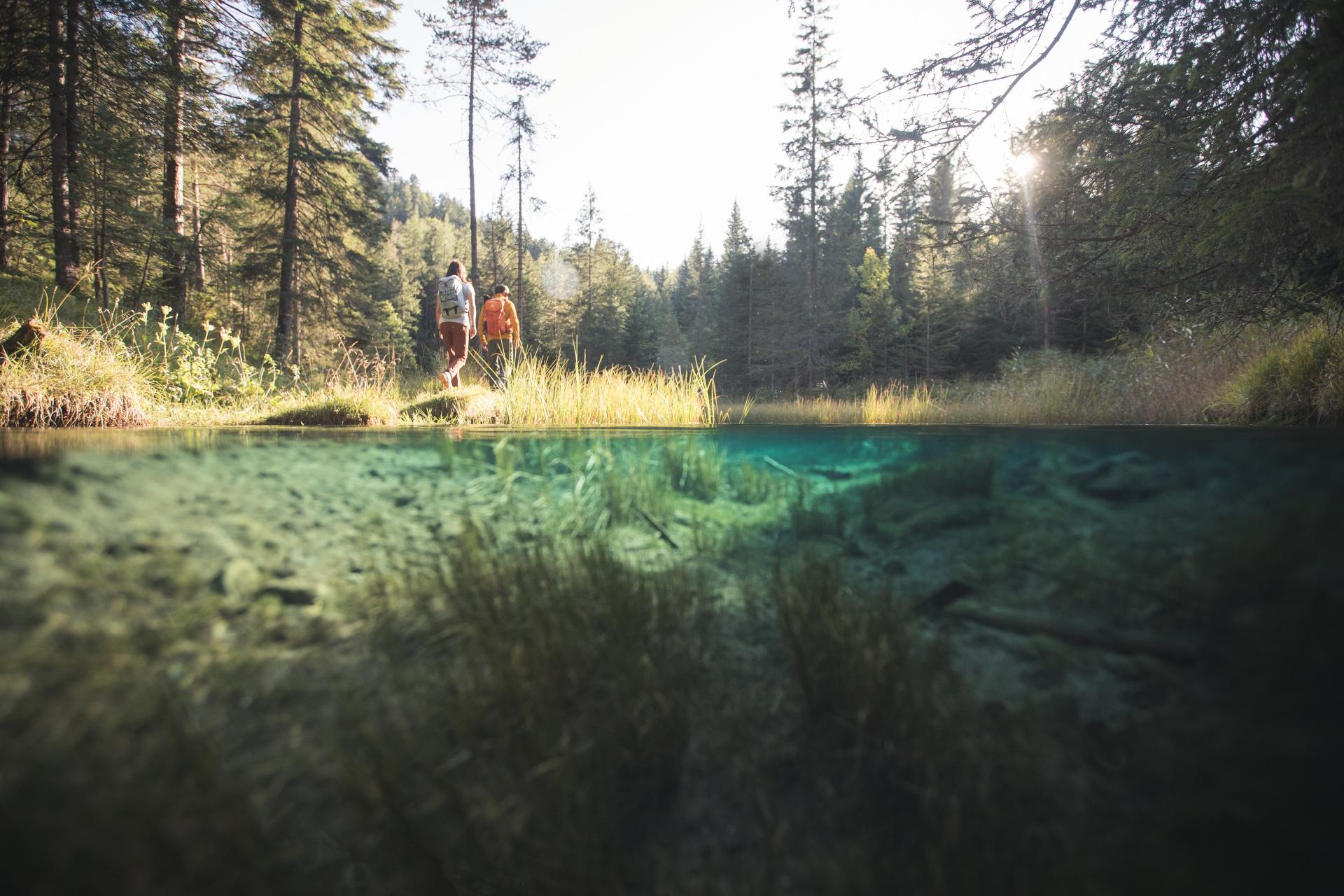
Swimming lakes
Mittersee, Weißensee, and Blindsee invite you to swim – an ideal place for "water lovers."


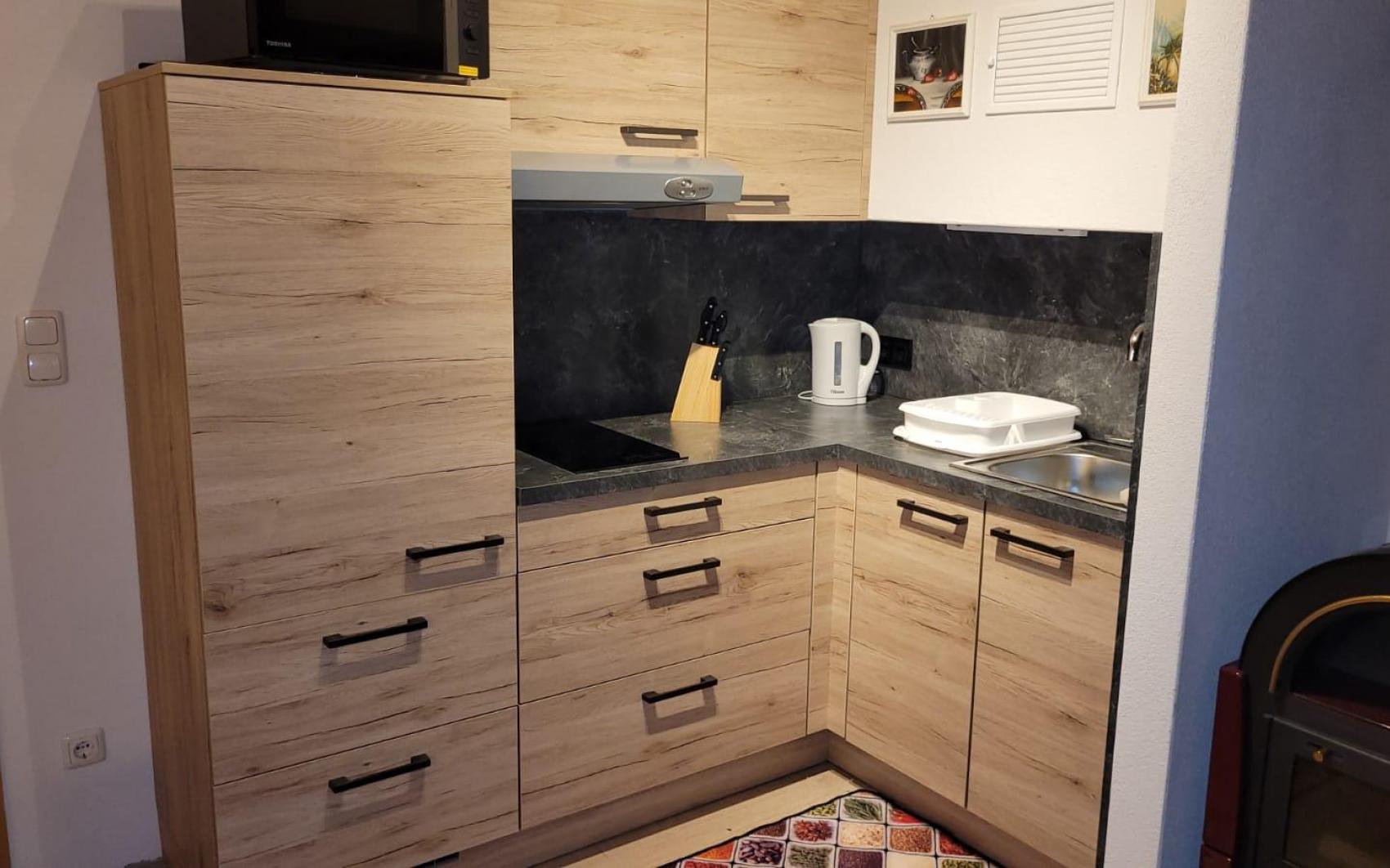
Welcome to the Tiroler Zugspitz Arena – your perfect holiday destination in the Tyrolean Alps!
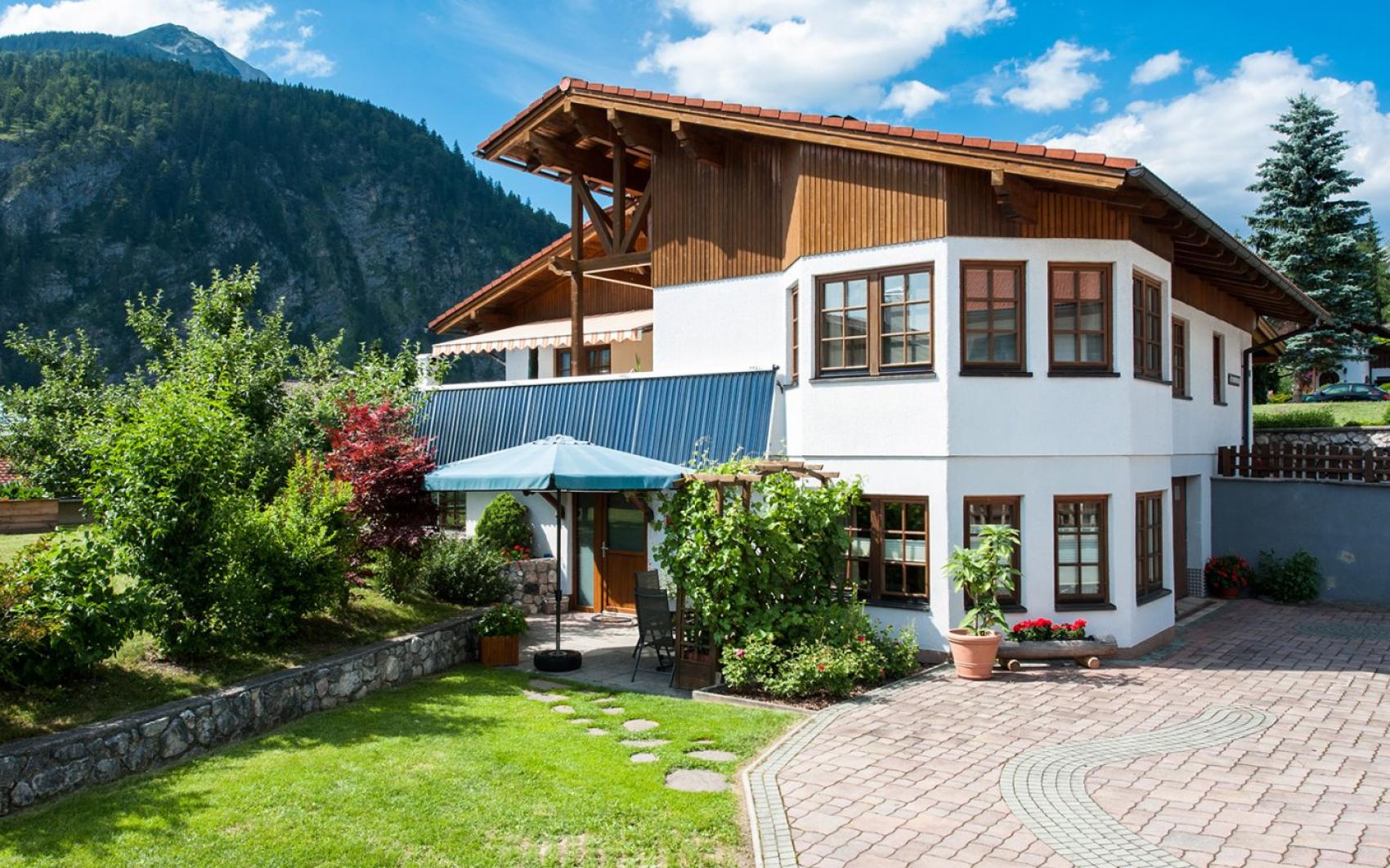
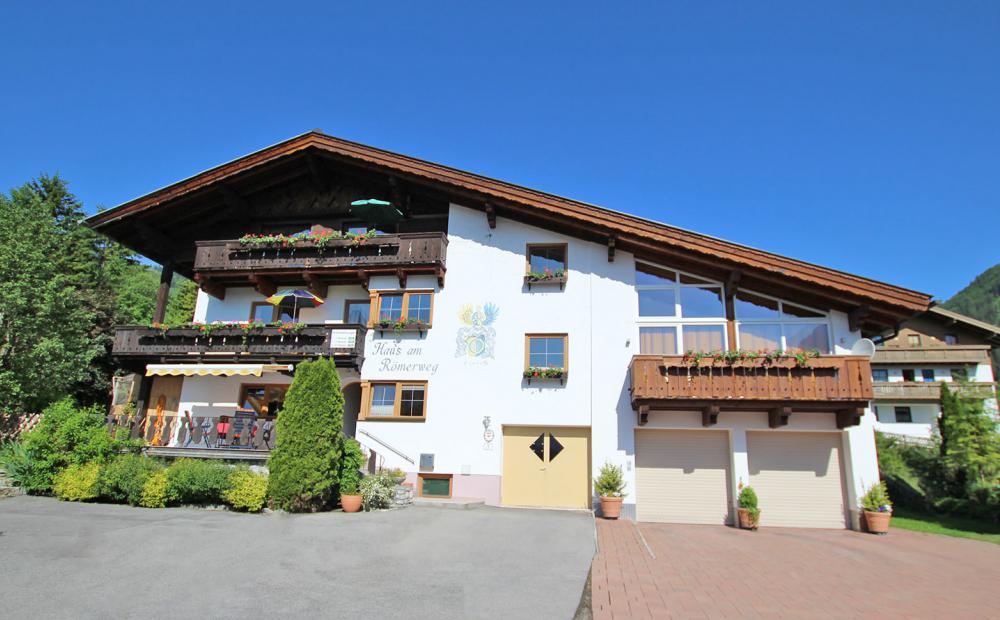
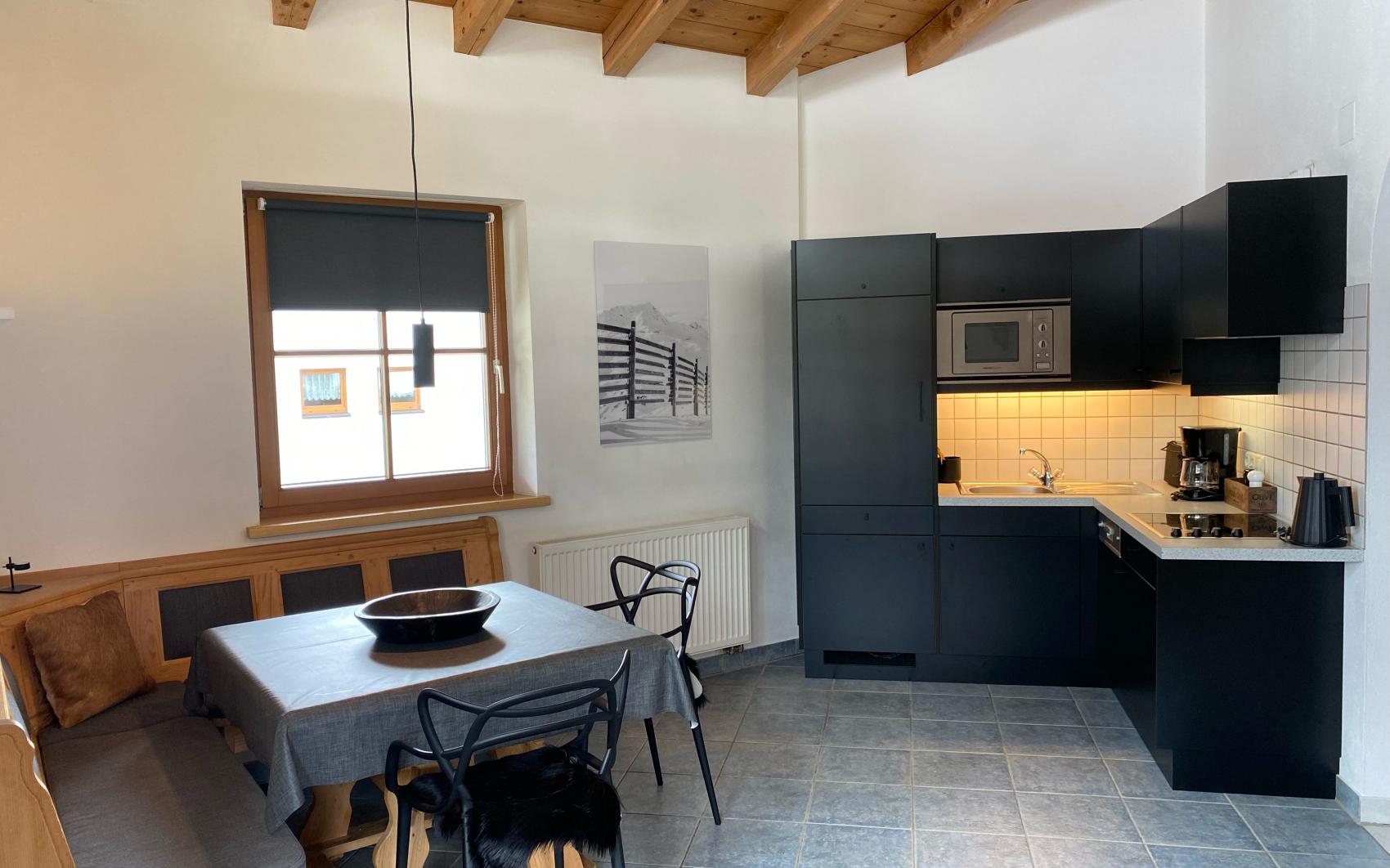
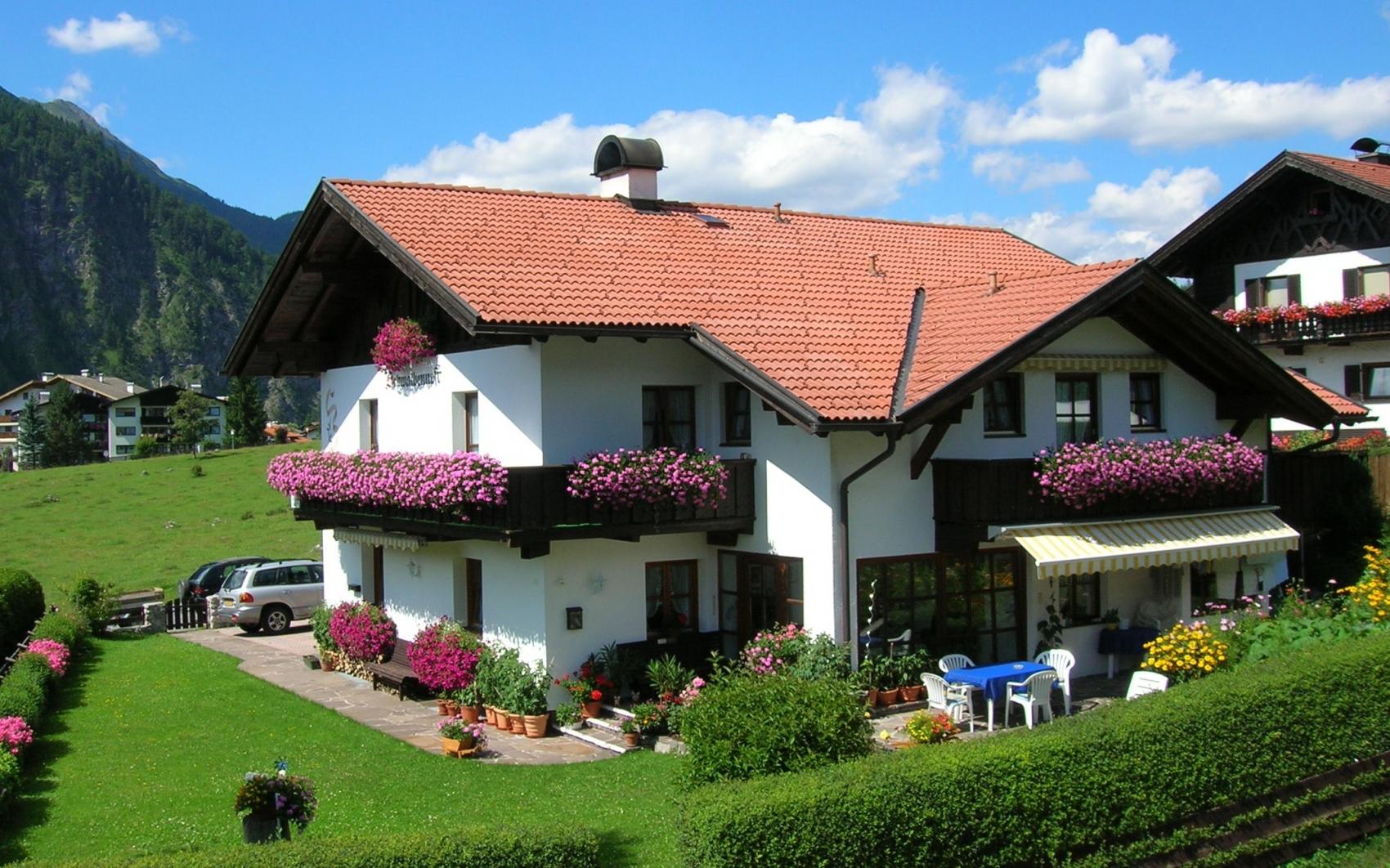
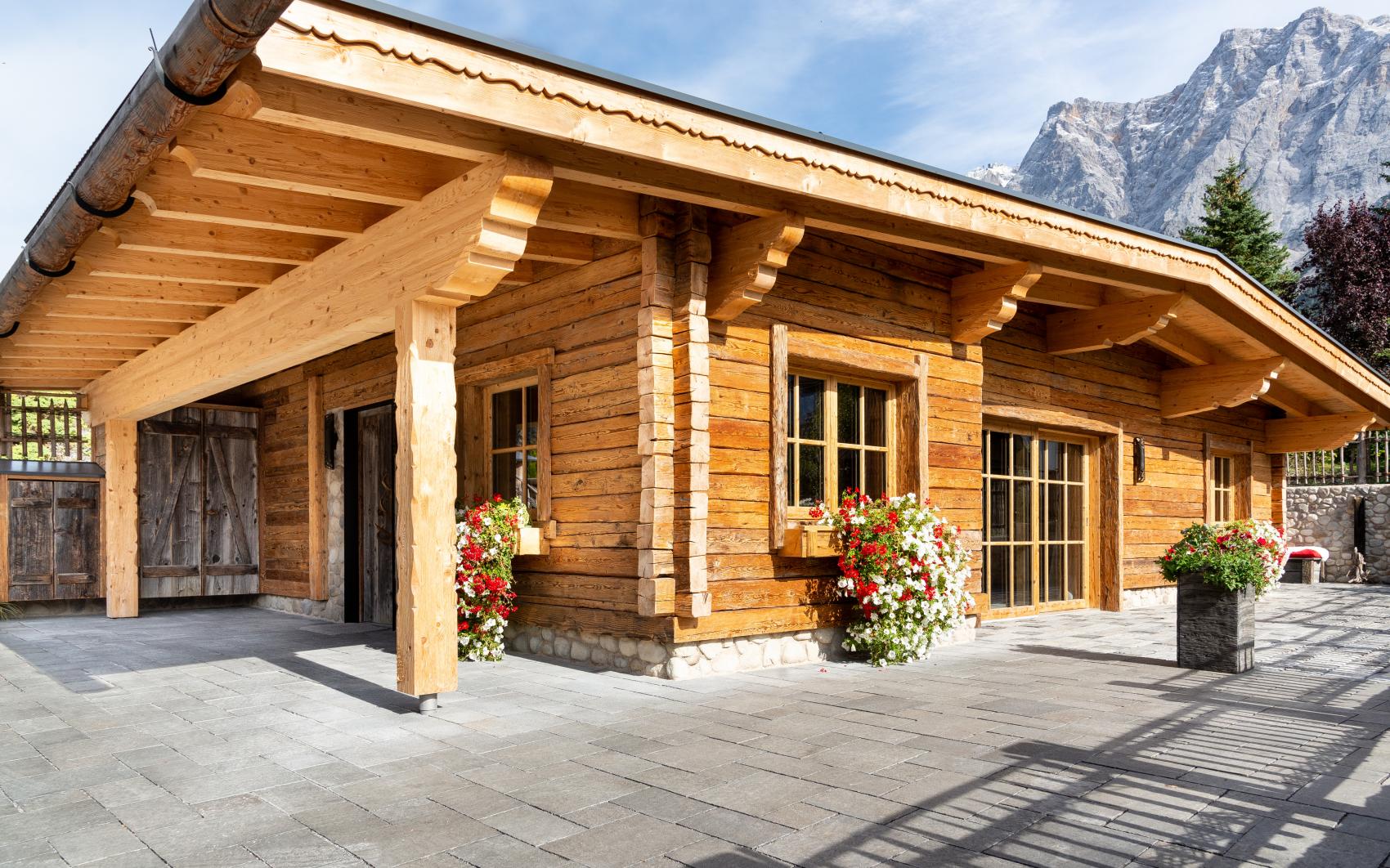
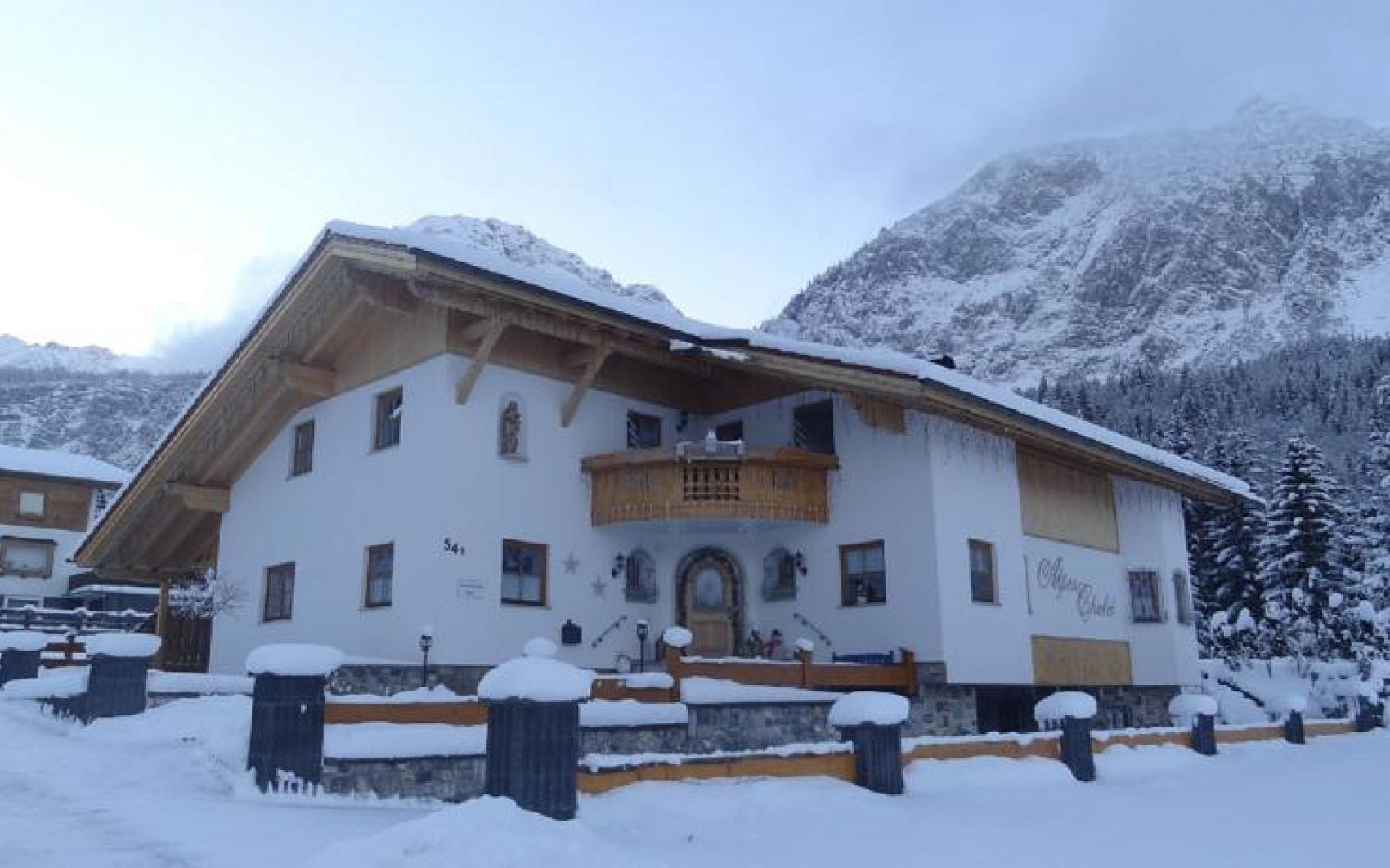
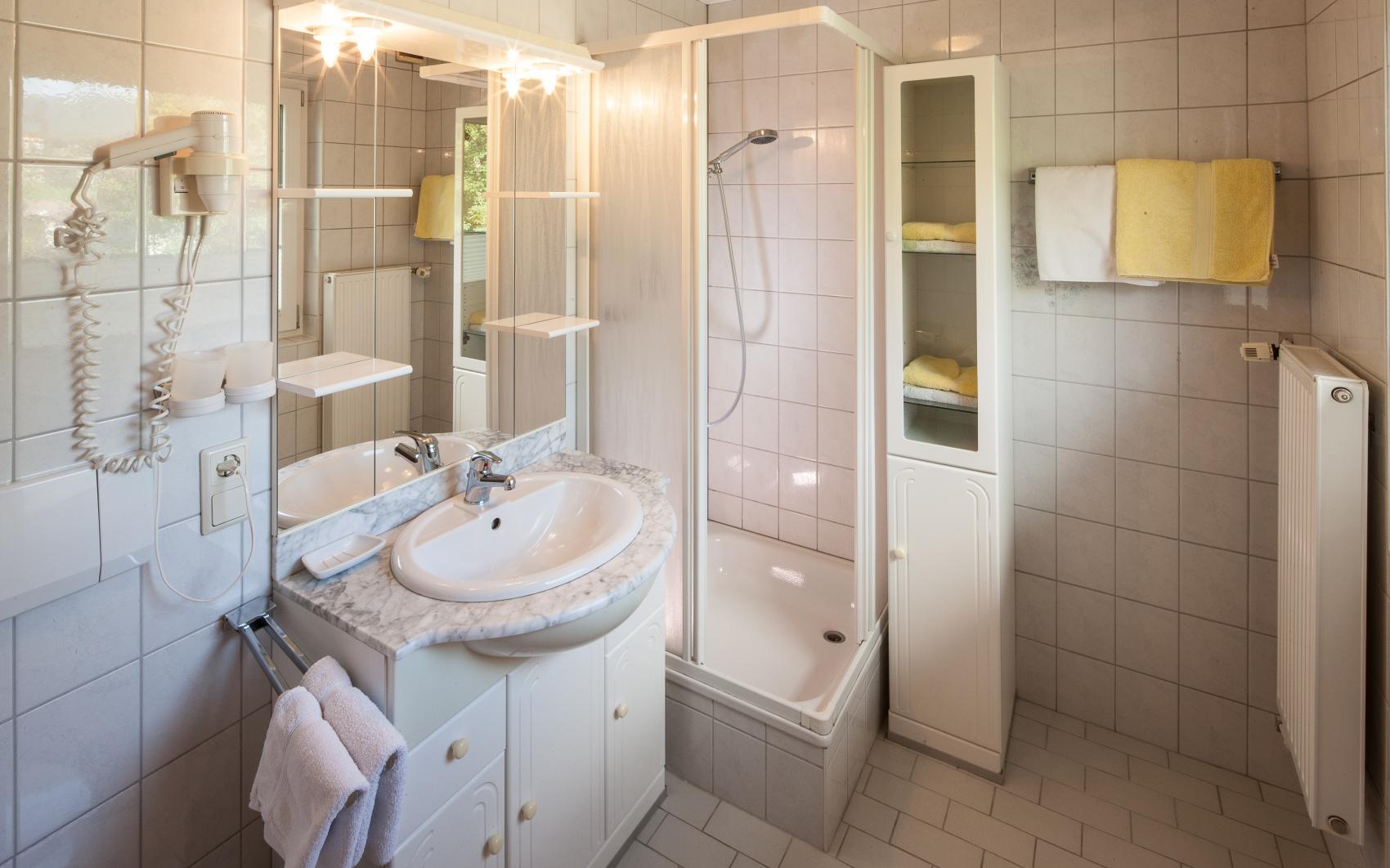
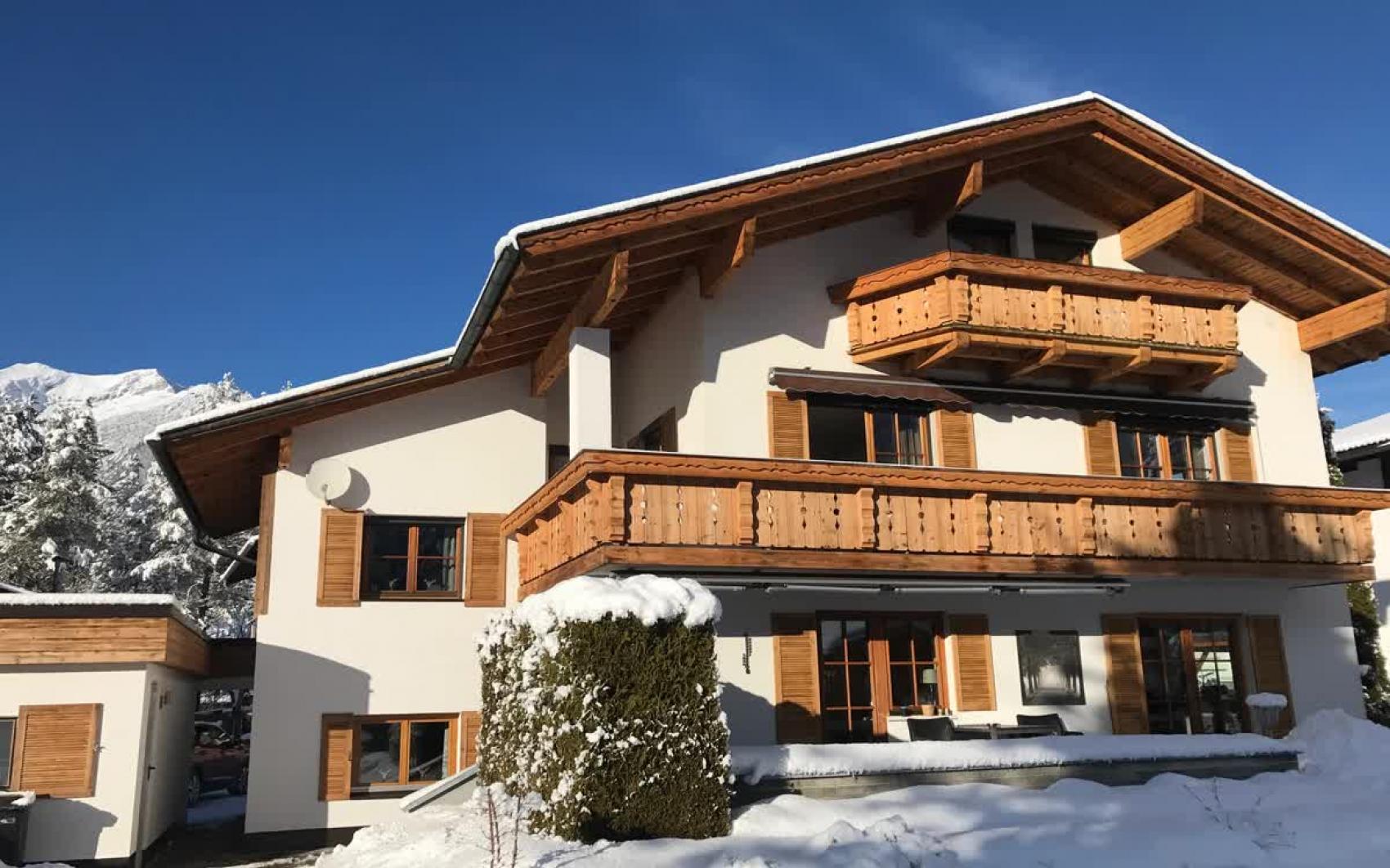
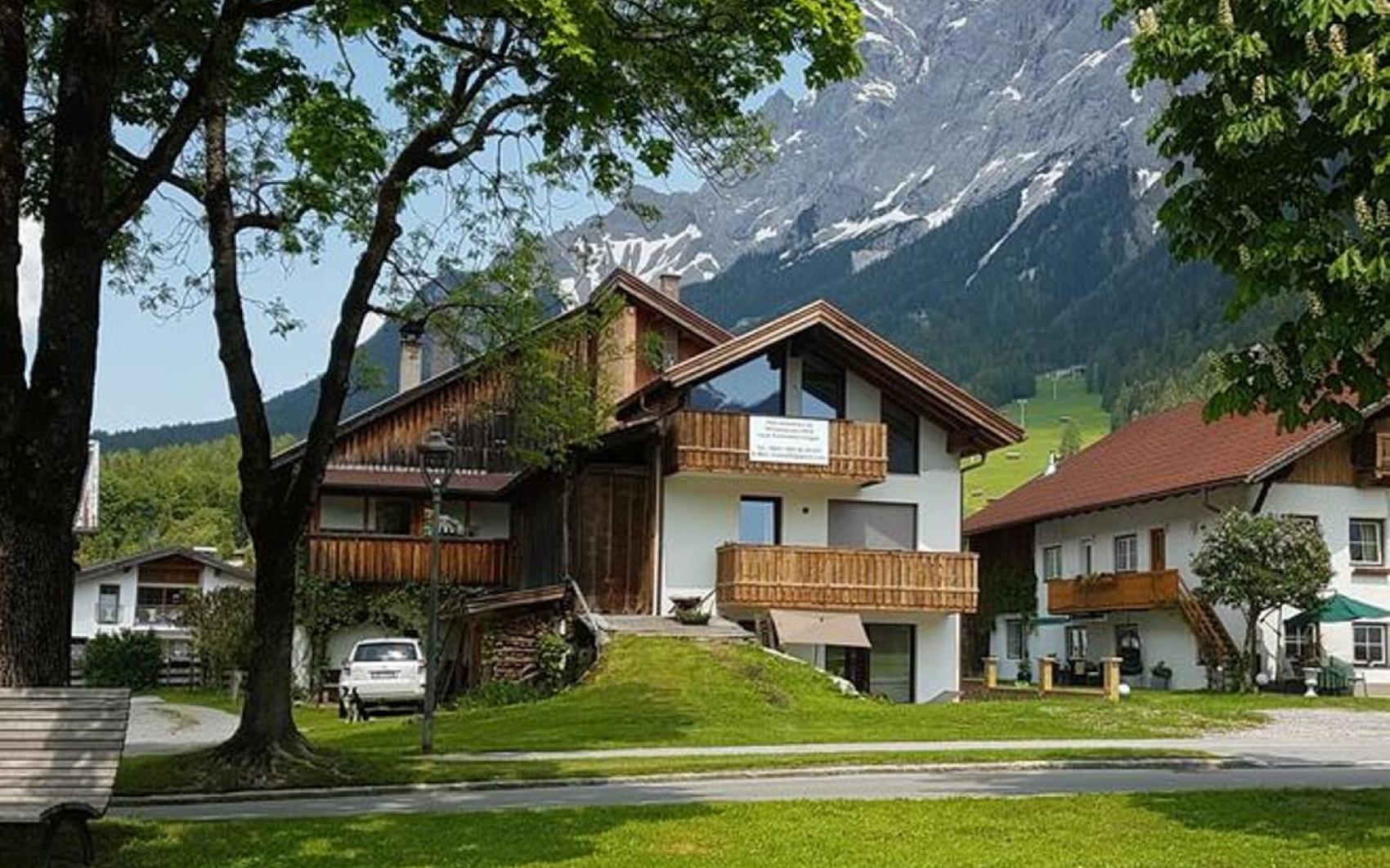
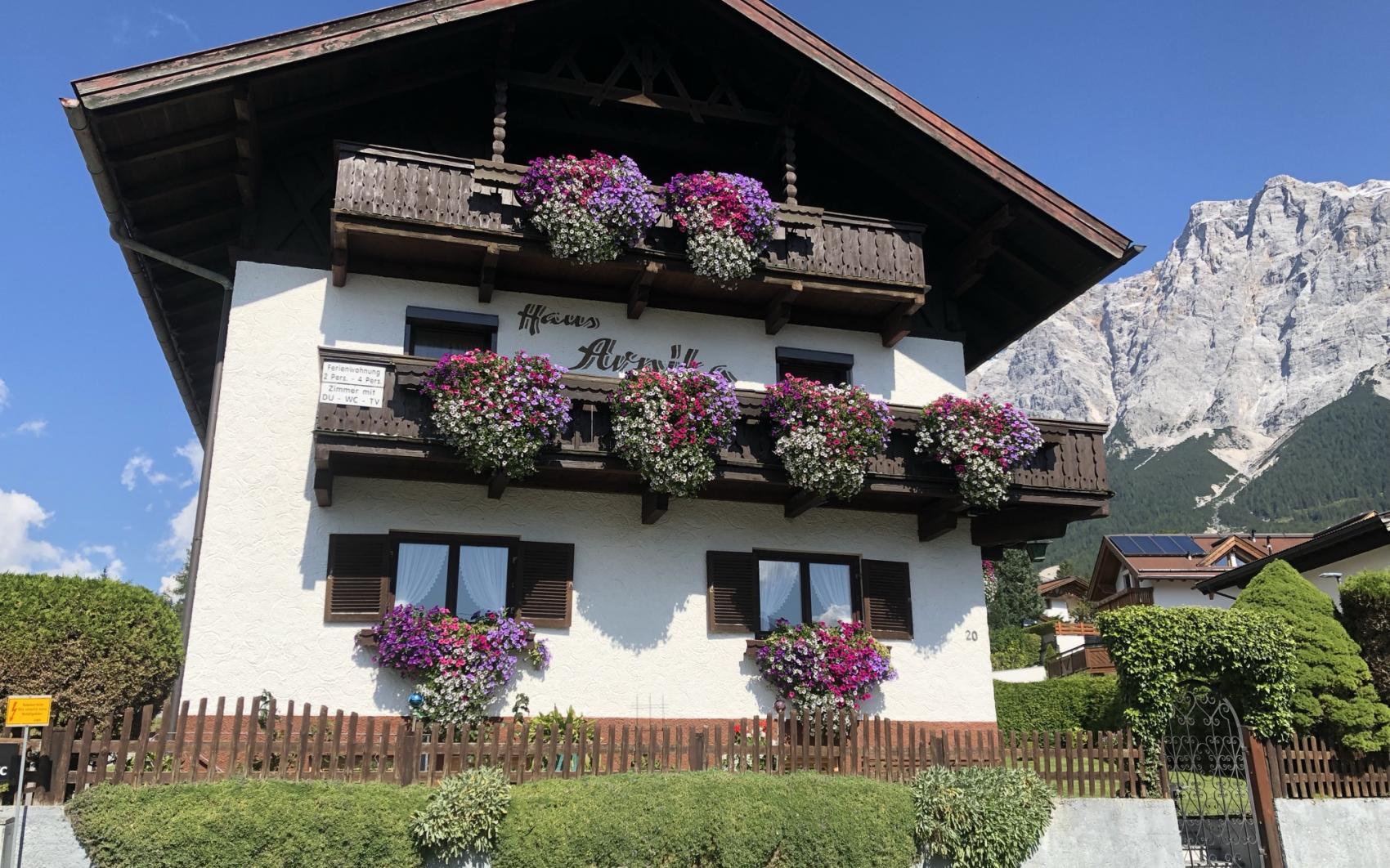
If you are looking for a spacious and comfortable holiday apartment for up to five people, our apartment is the ideal choice. With 70 m² it offers generous living comfort for the whole family – recently completely renovated.
The Tiroler Zugspitz Arena is one of the most beautiful regions in Tyrol and offers varied activities in every season: from ski touring and tobogganing in winter to mountain biking and hiking in summer. Nature lovers and adventurers get their money's worth here.
Summer and winter adventures in the Alps: Biberwier is nestled in the southern part of the Tiroler Zugspitz Arena – a paradise for outdoor enthusiasts and families. Crystal-clear mountain lakes, well-marked hiking and biking trails, and a family-friendly ski area at Marienberg come together here.
Around Biberwier, excursions to the Marienberg Alm offer breathtaking views, as well as hikes along the ancient Via Claudia Augusta – suitable for all skill levels.
"Idyllic lakes sparkle in a tranquil mountain landscape – an ideal spot for water lovers."
History · Biberwier
Findings from the La Tène and Roman periods indicate that the area along the Via Claudia Augusta played an important role early on. In 1287, Biberwier was first mentioned as "Piberwure." From the 15th to the 18th century, the mining of silver, lead, and zinc shaped the village – a legacy that is still reflected in the pickaxe and hammer on the municipal coat of arms. Mining ceased in 1880, and in 1891, Biberwier became an independent parish.
The origin of the name: It recalls the beavers that lived here until about 1800; "-wier" comes from the Middle High German "wuore," meaning dam or weir.
Source: Wikipedia – Biberwier
Mittersee, Weißensee, and Blindsee invite you to swim – an ideal place for "water lovers."
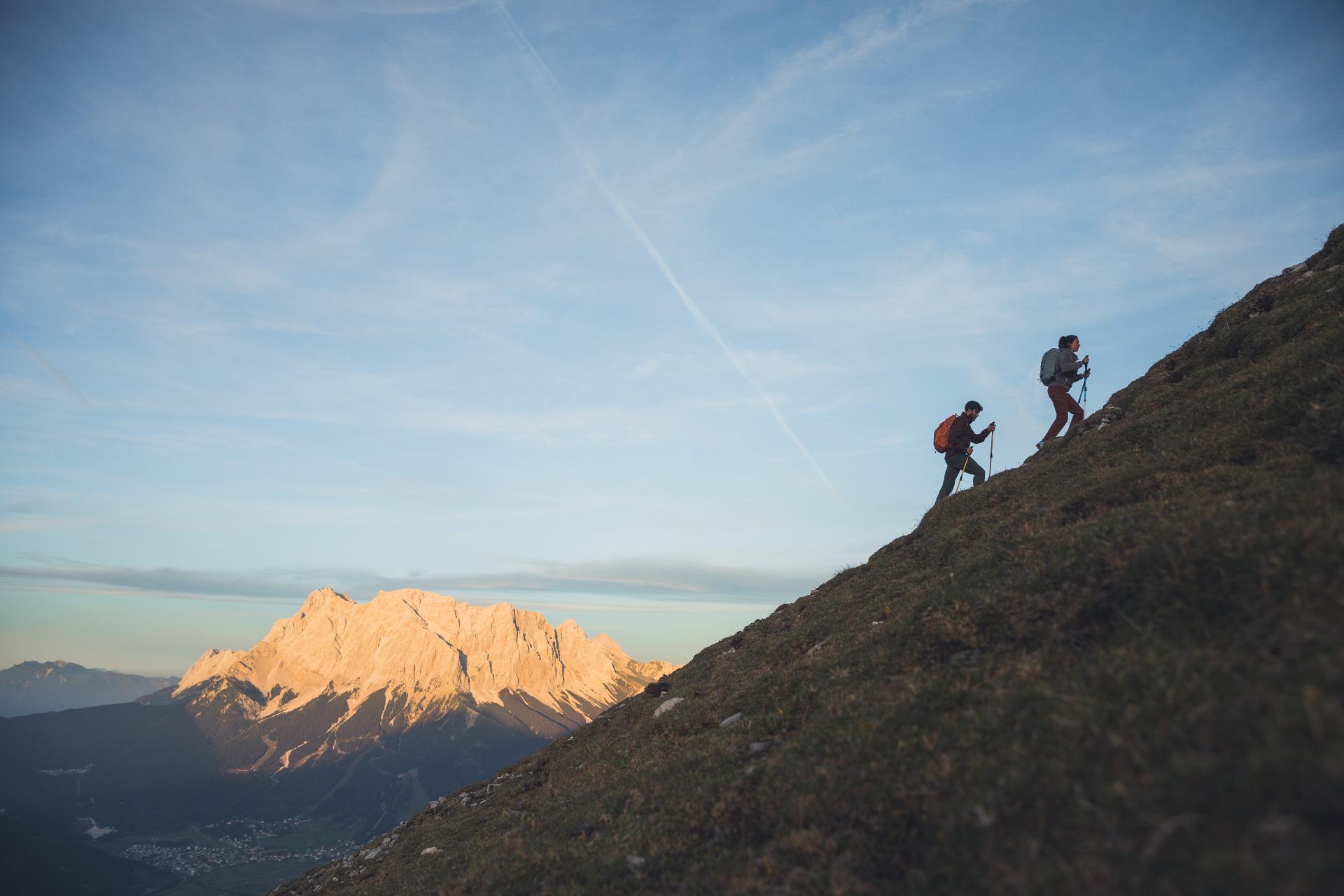
Especially at Mittersee and Blindsee, sun seekers find their meeting point by the water.
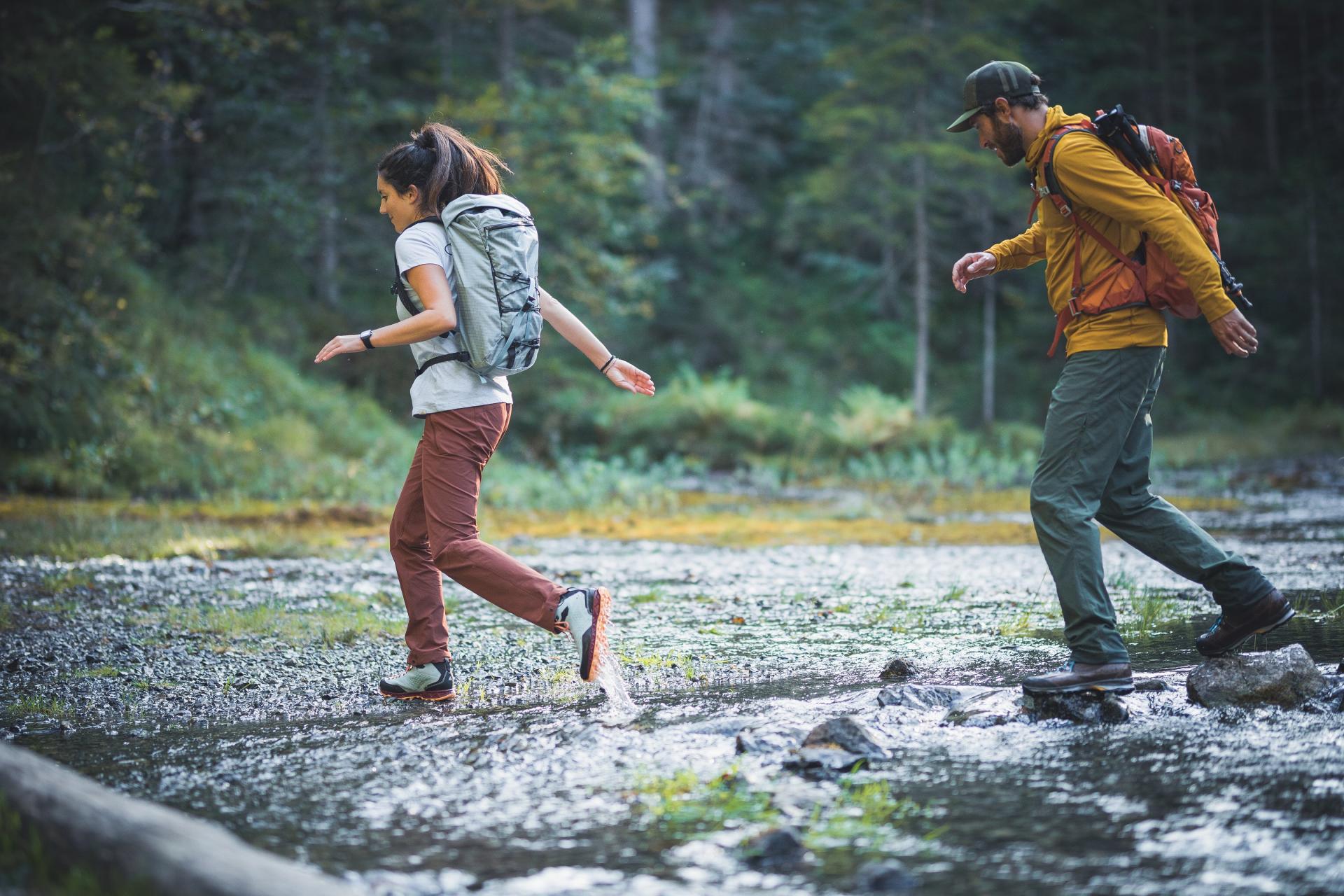
The Montanwanderweg and trails along the Via Claudia Augusta lead through stunning mountain landscapes.
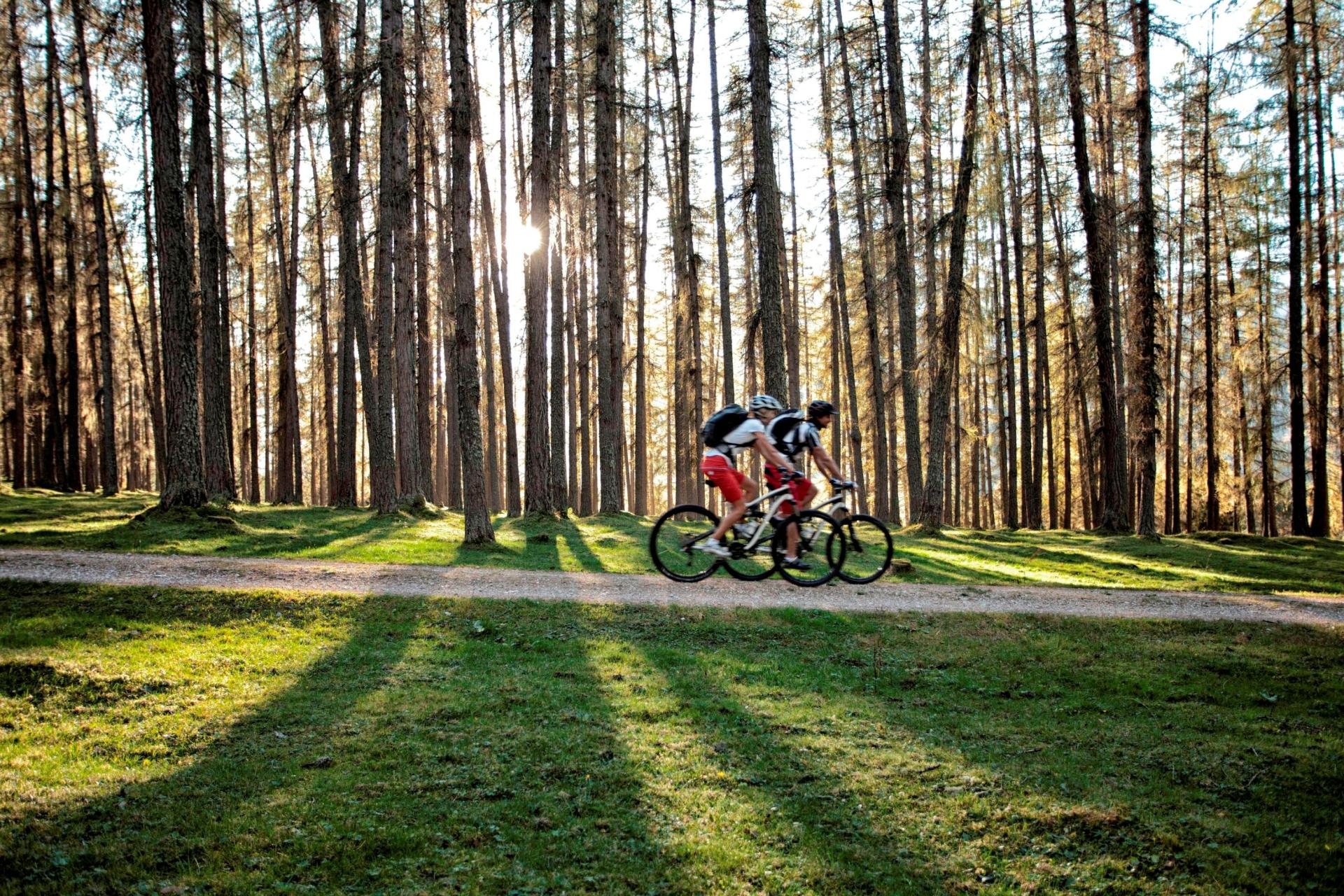
Well-marked routes for all difficulty levels wind through the mountainous region around Biberwier.
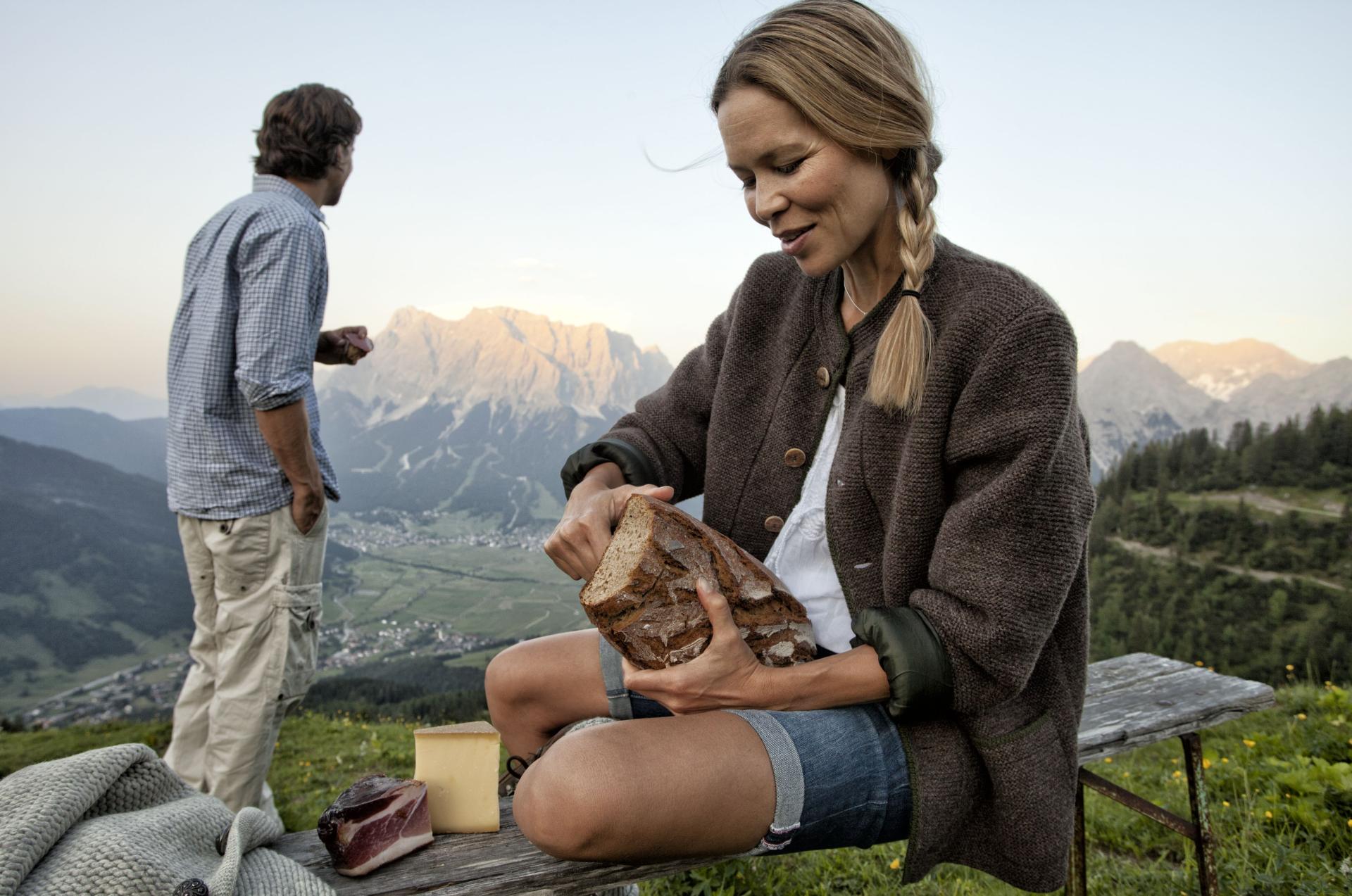
One of the most popular hikes – the Marienberg Alm rewards you with breathtaking views.
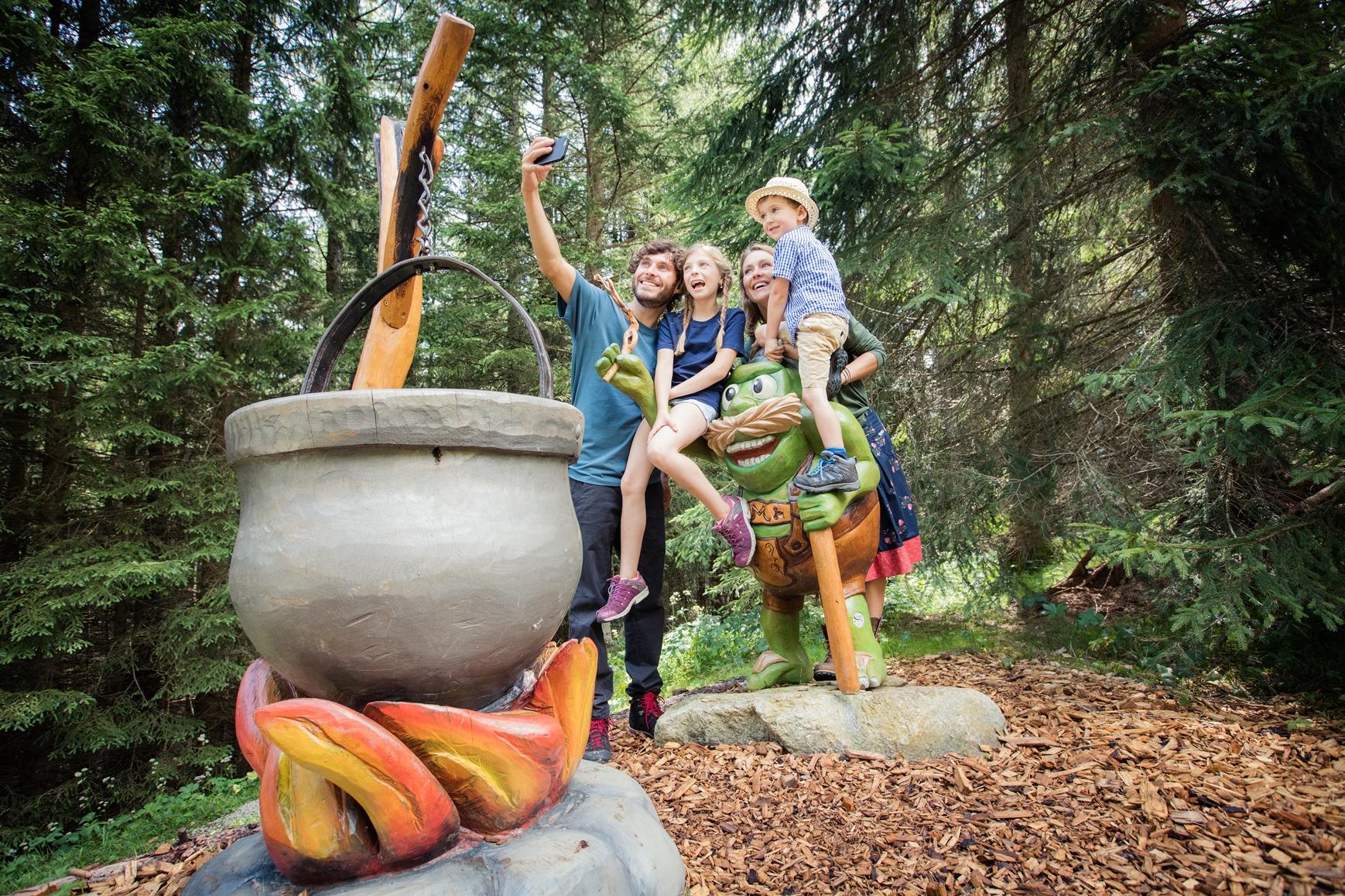
The summer toboggan run at Marienberg is pure fun for the whole family.
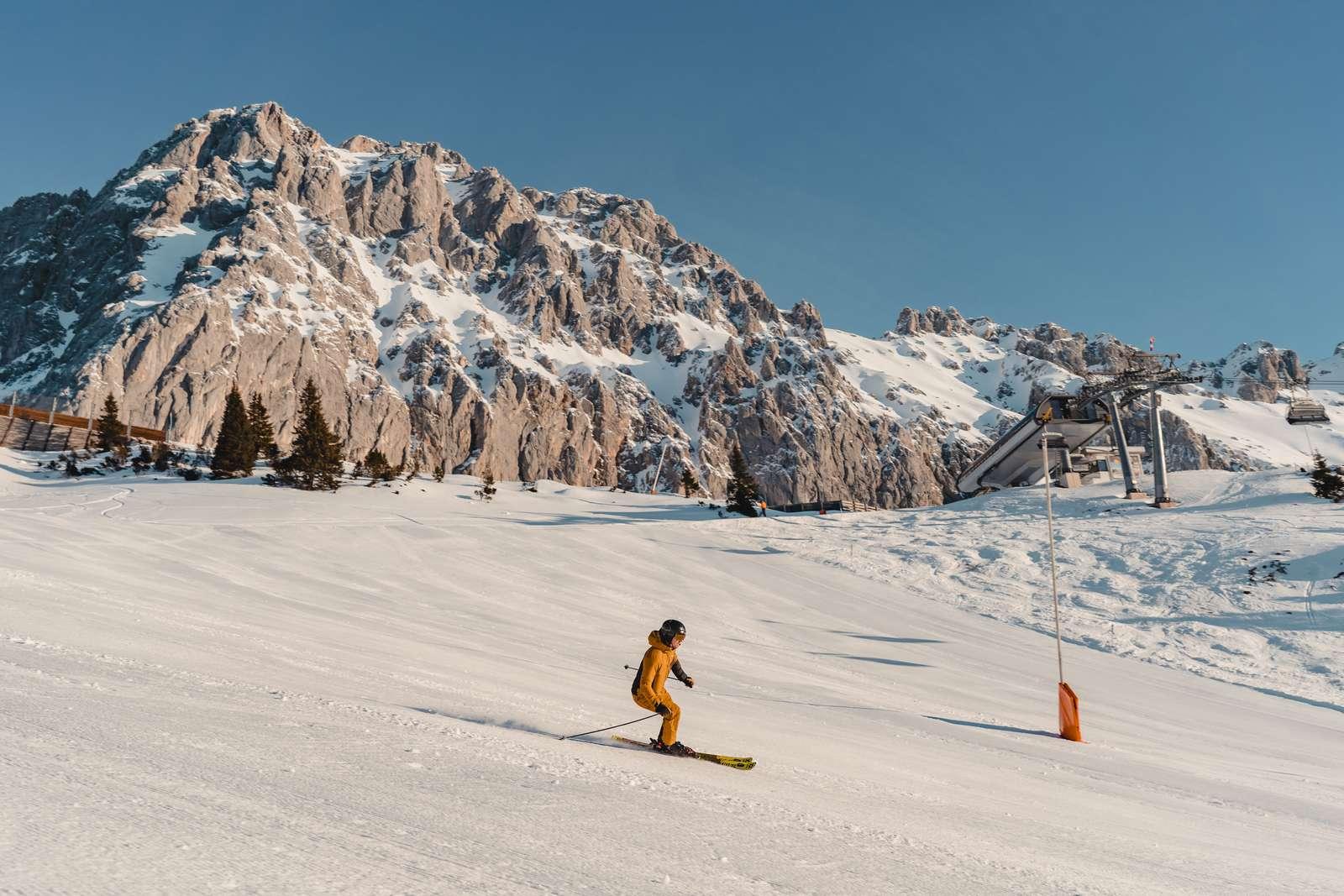
Family-friendly and perfect for leisurely skiers: modern lift facilities and slopes for every skill level.
A dedicated boardercross course with steep curves and obstacles awaits snowboarders.
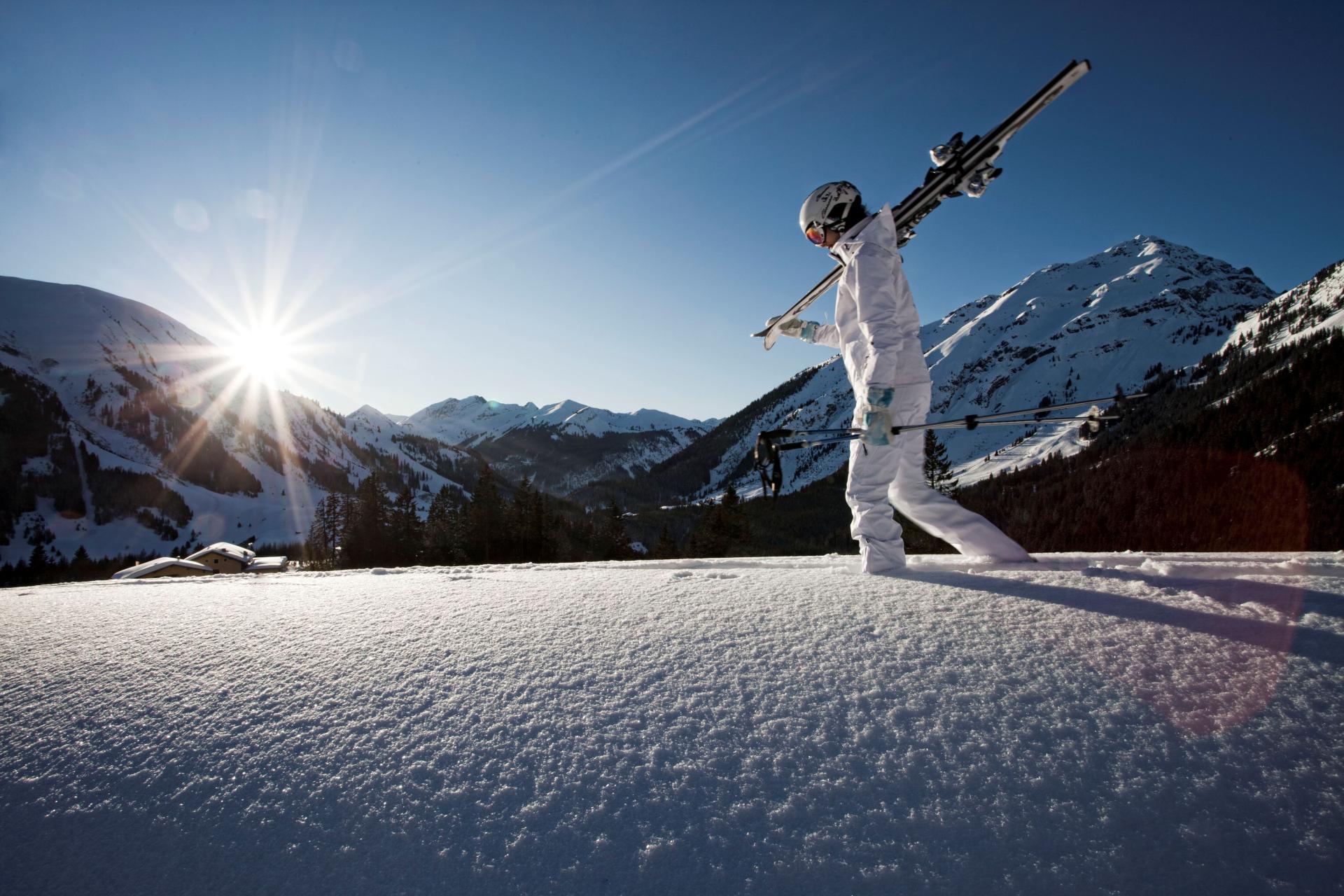
For ski tourers, there is a guided tour evening at the mountain once a week.
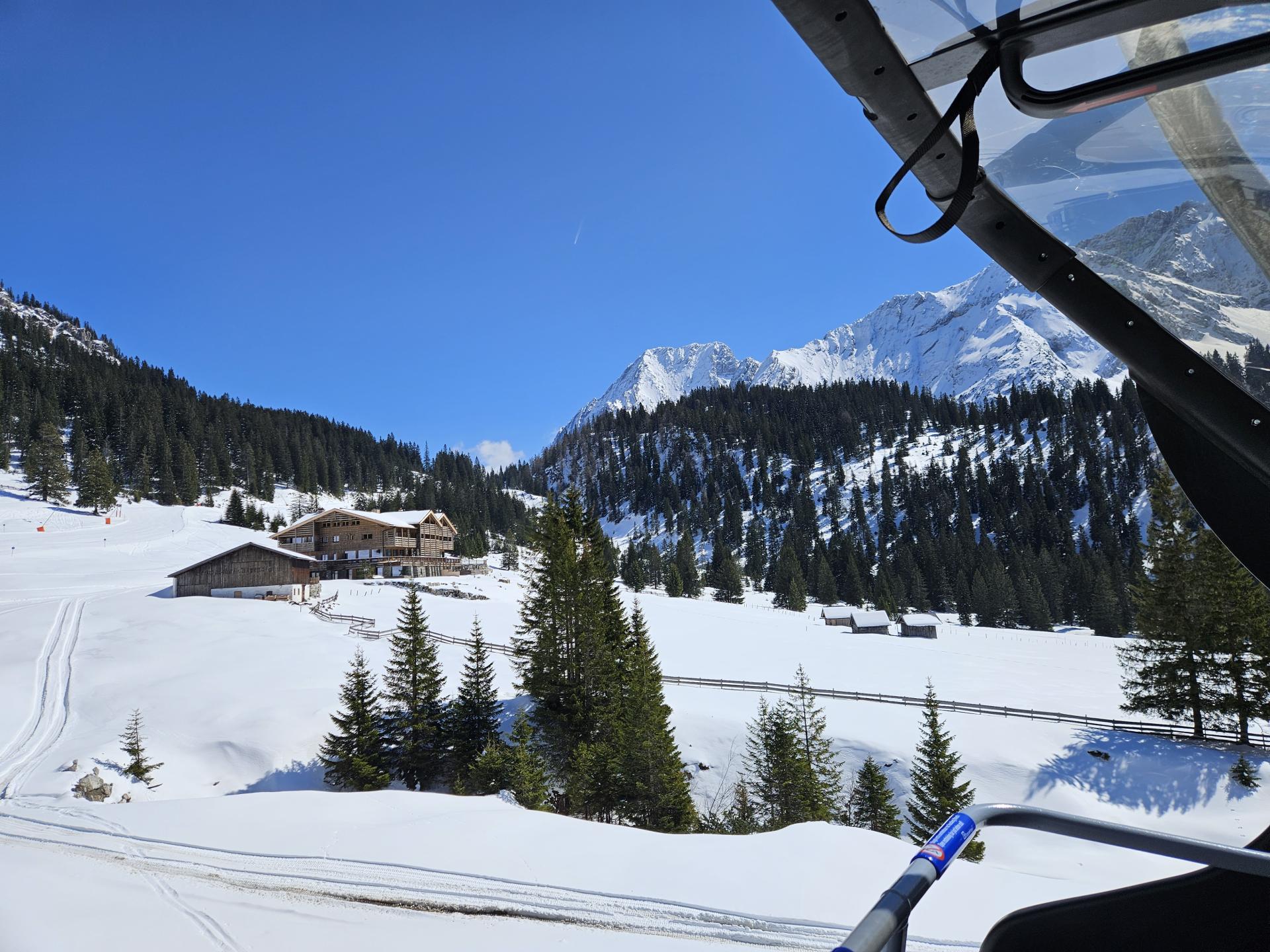
Romantic trails to Weißensee connecting to the Zugspitz region's trail network.
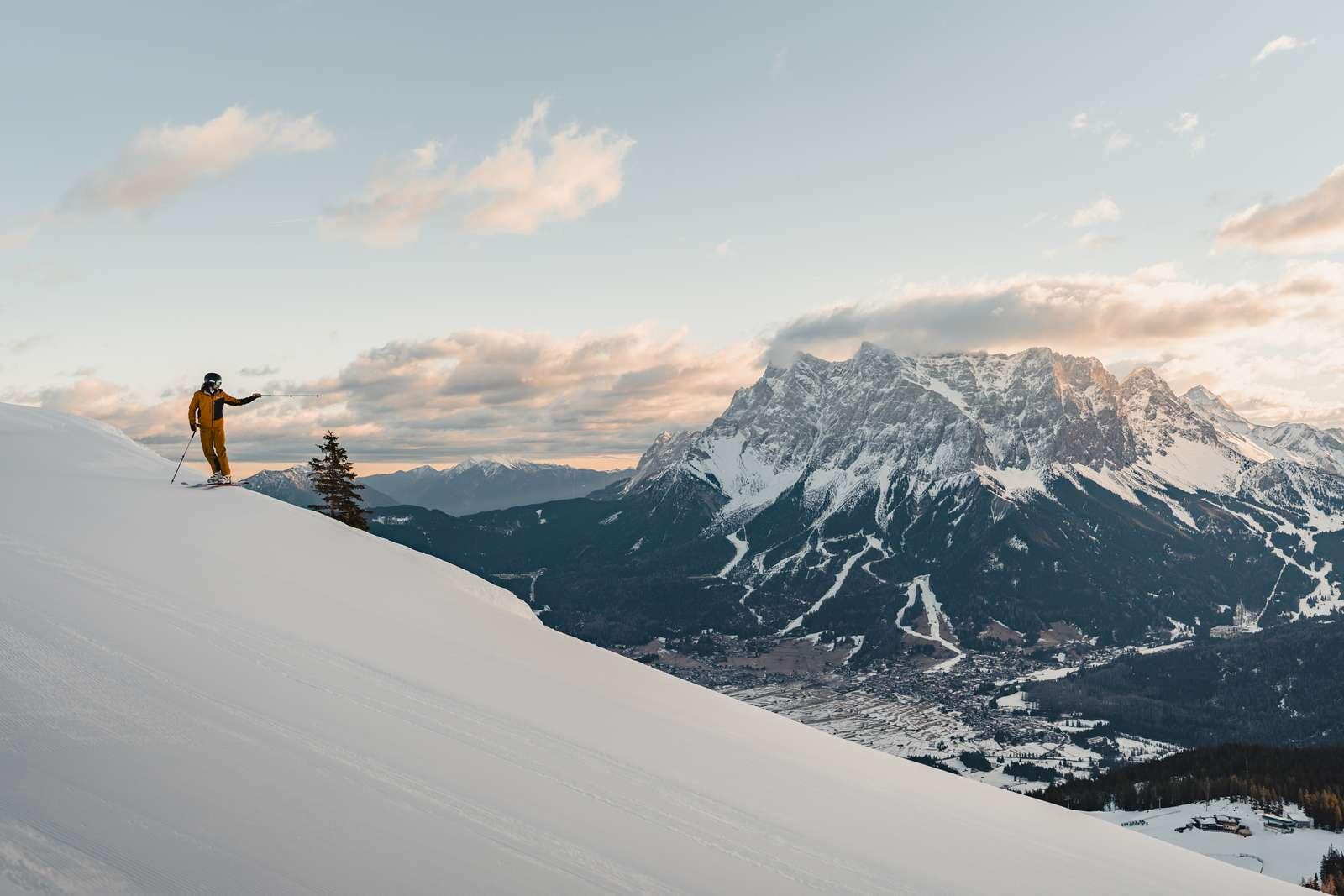
Ski schools and rental stations are easily accessible and offer comprehensive services.
Schmitte 11a
6633 Biberwier
Schmitte 8
6633 Biberwier
6633 Biberwier