
 Deutsch
 English
 Nederlands
 Italiano
 Čeština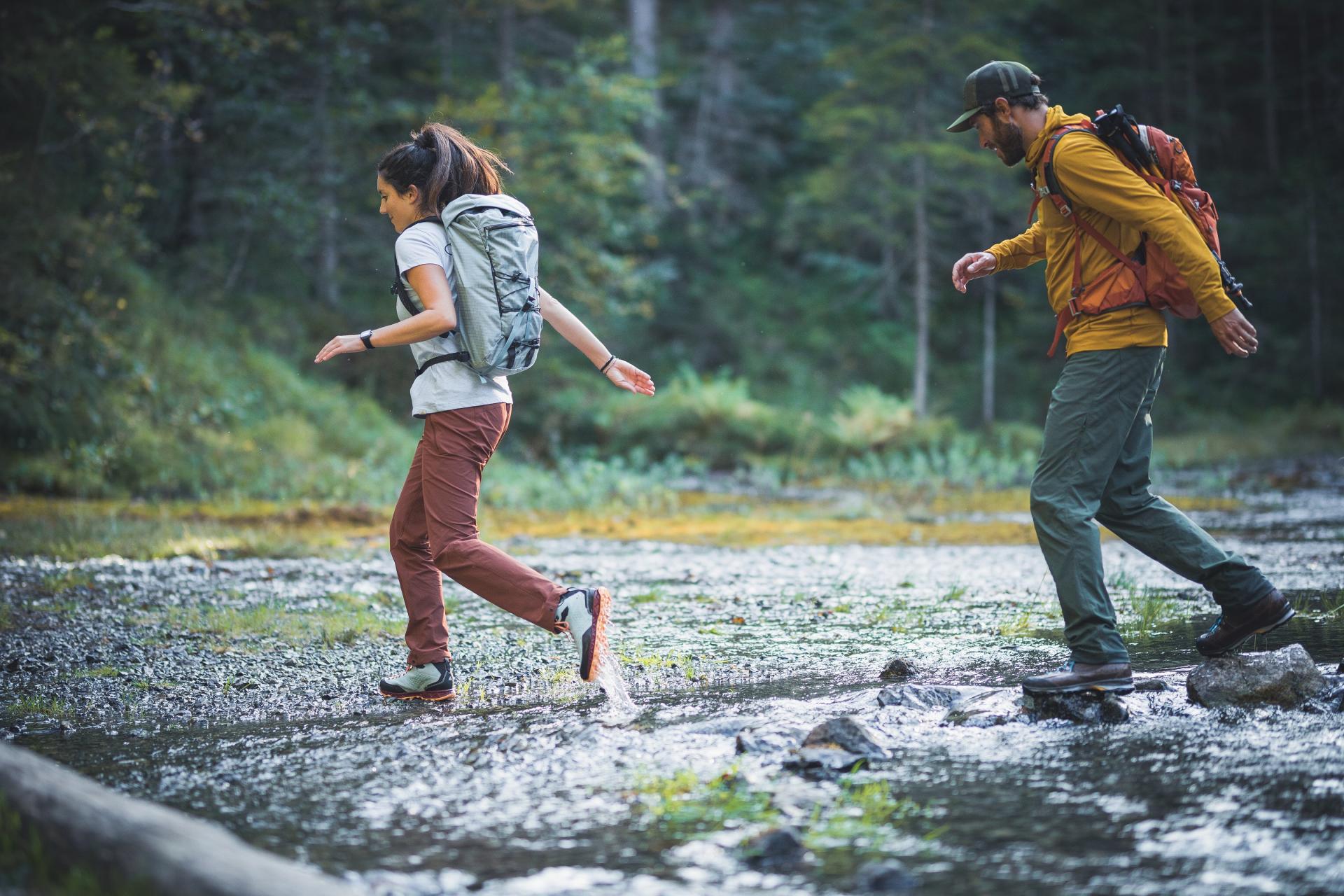
Hiking
Countless hiking trails on Grubigstein with breathtaking views of Wetterstein, Zugspitze, and Sonnenspitze.
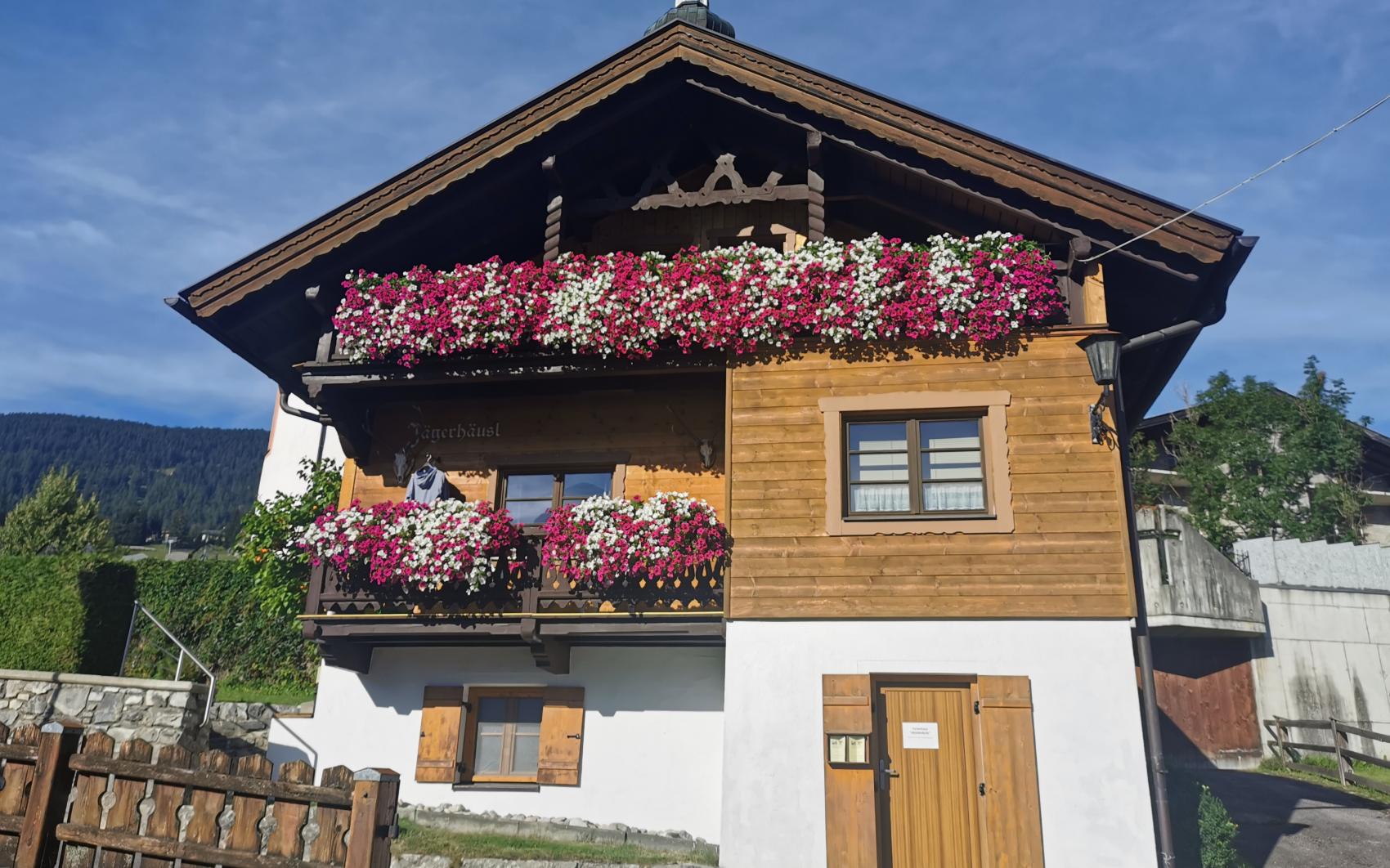
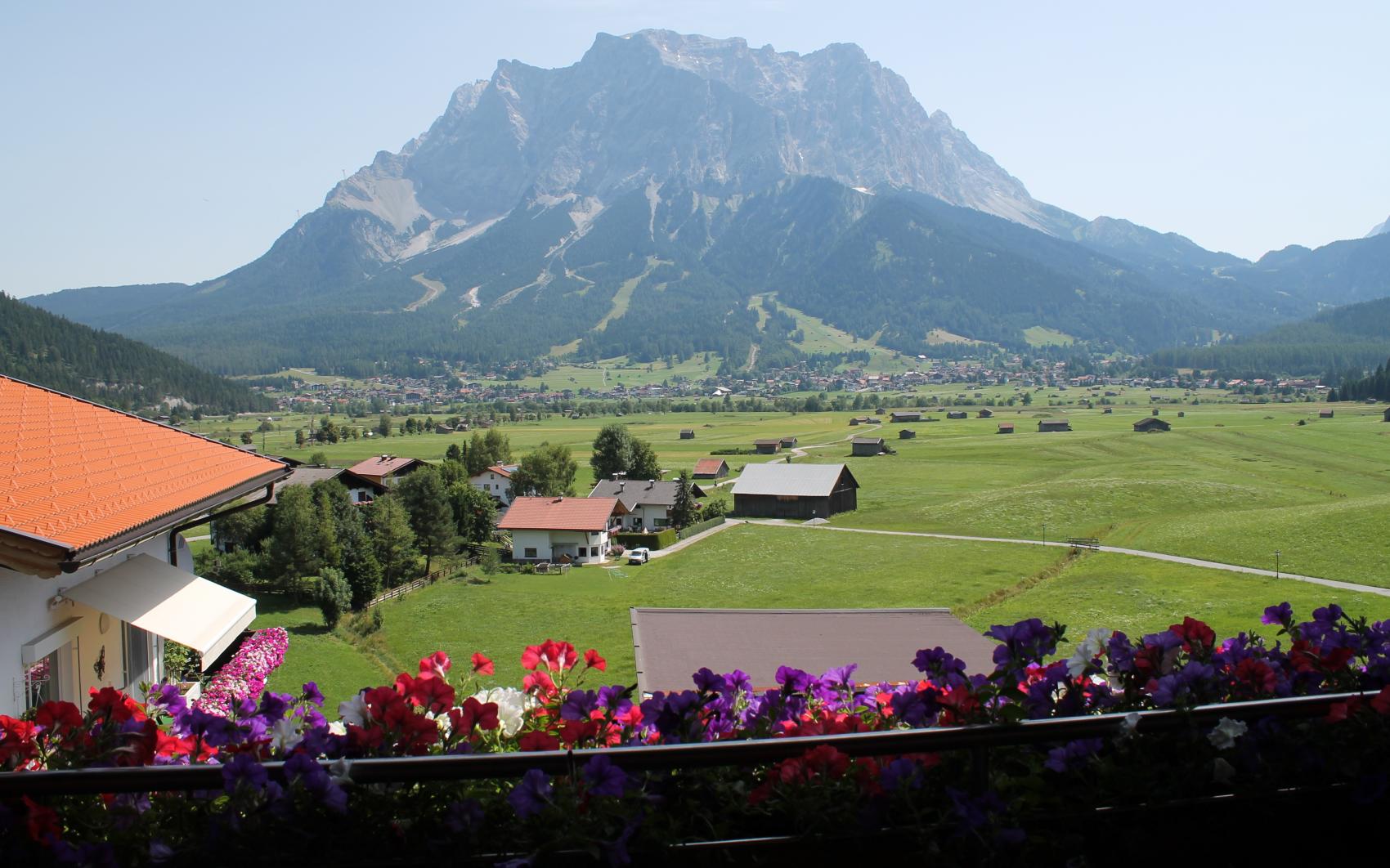
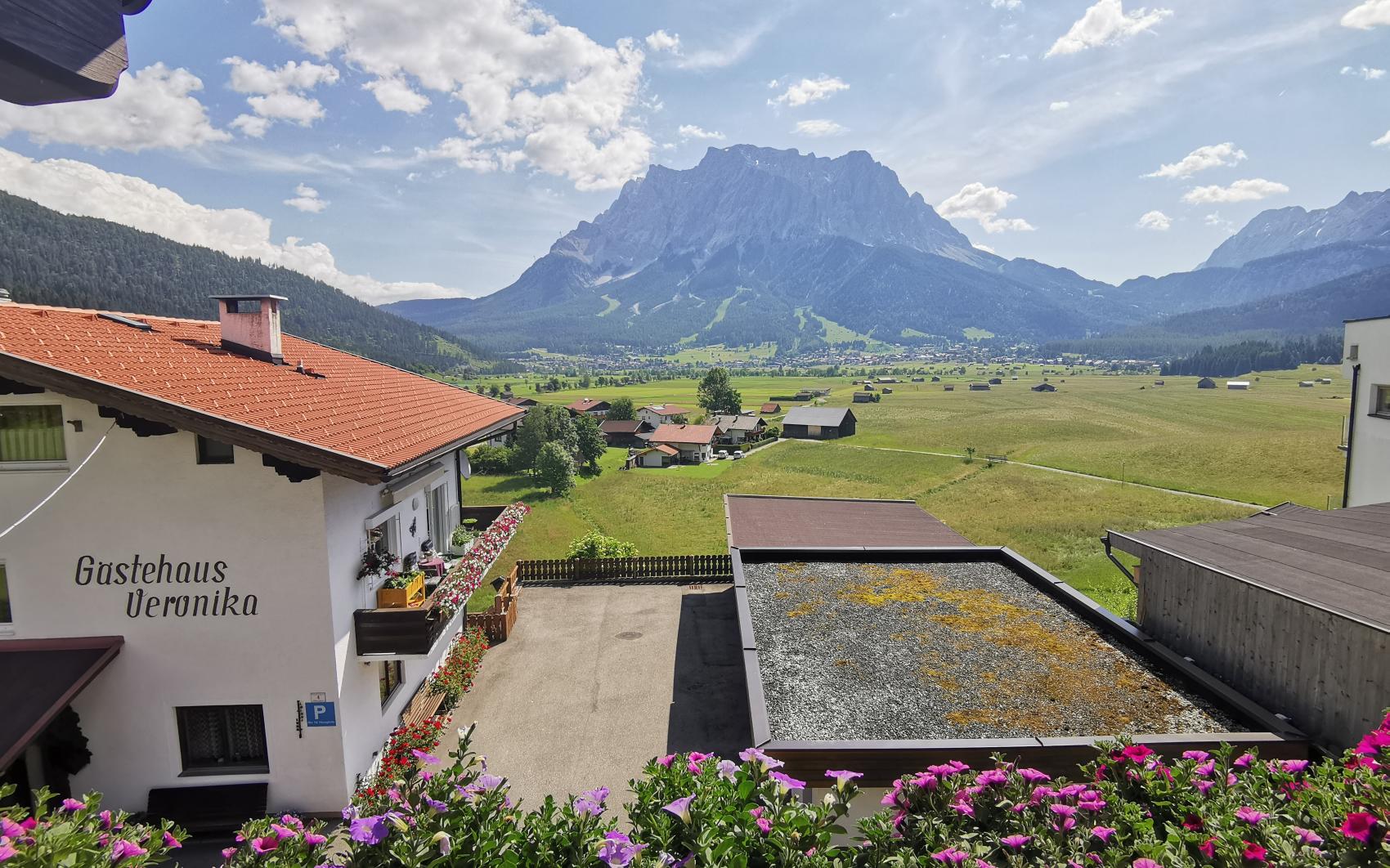
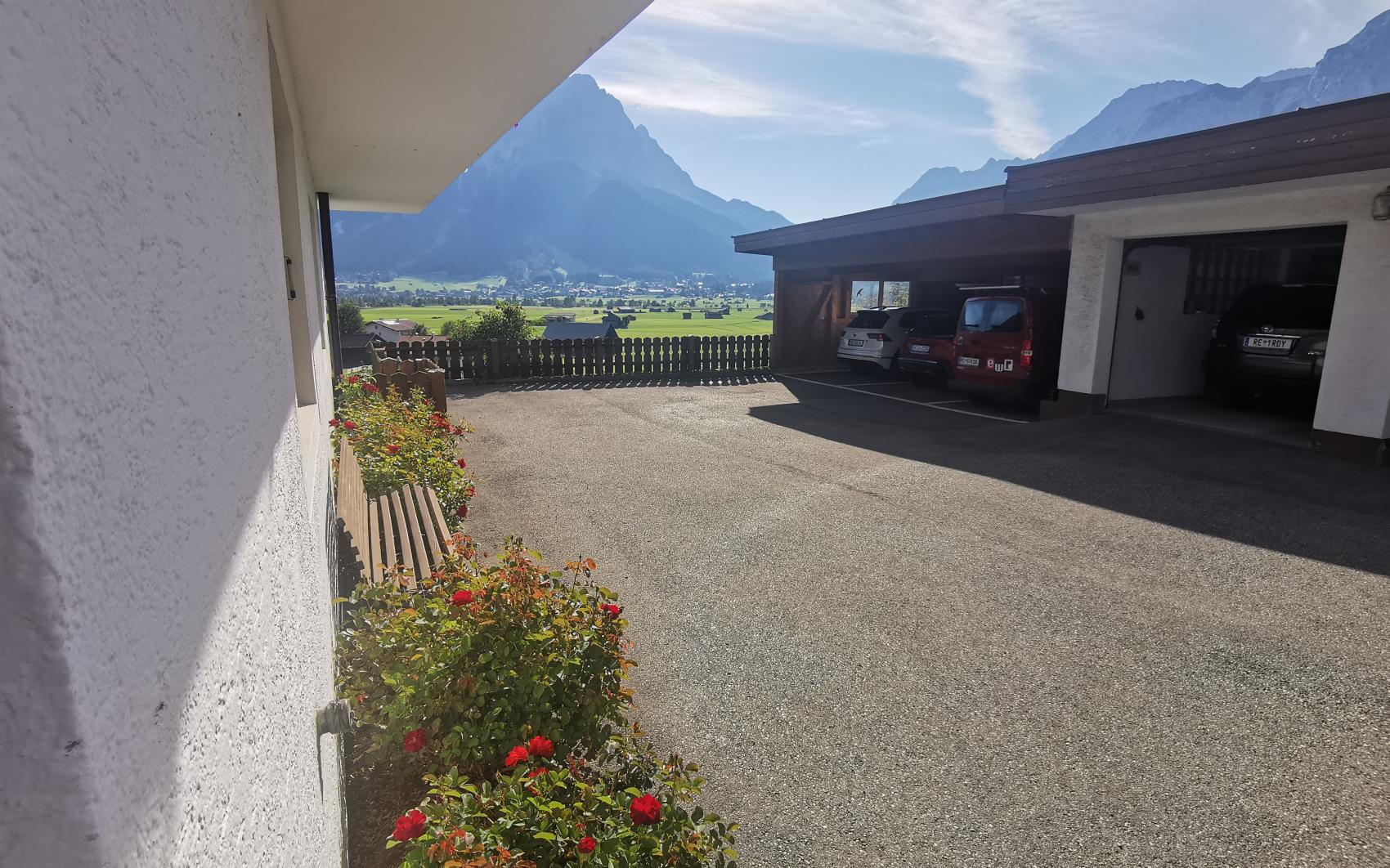
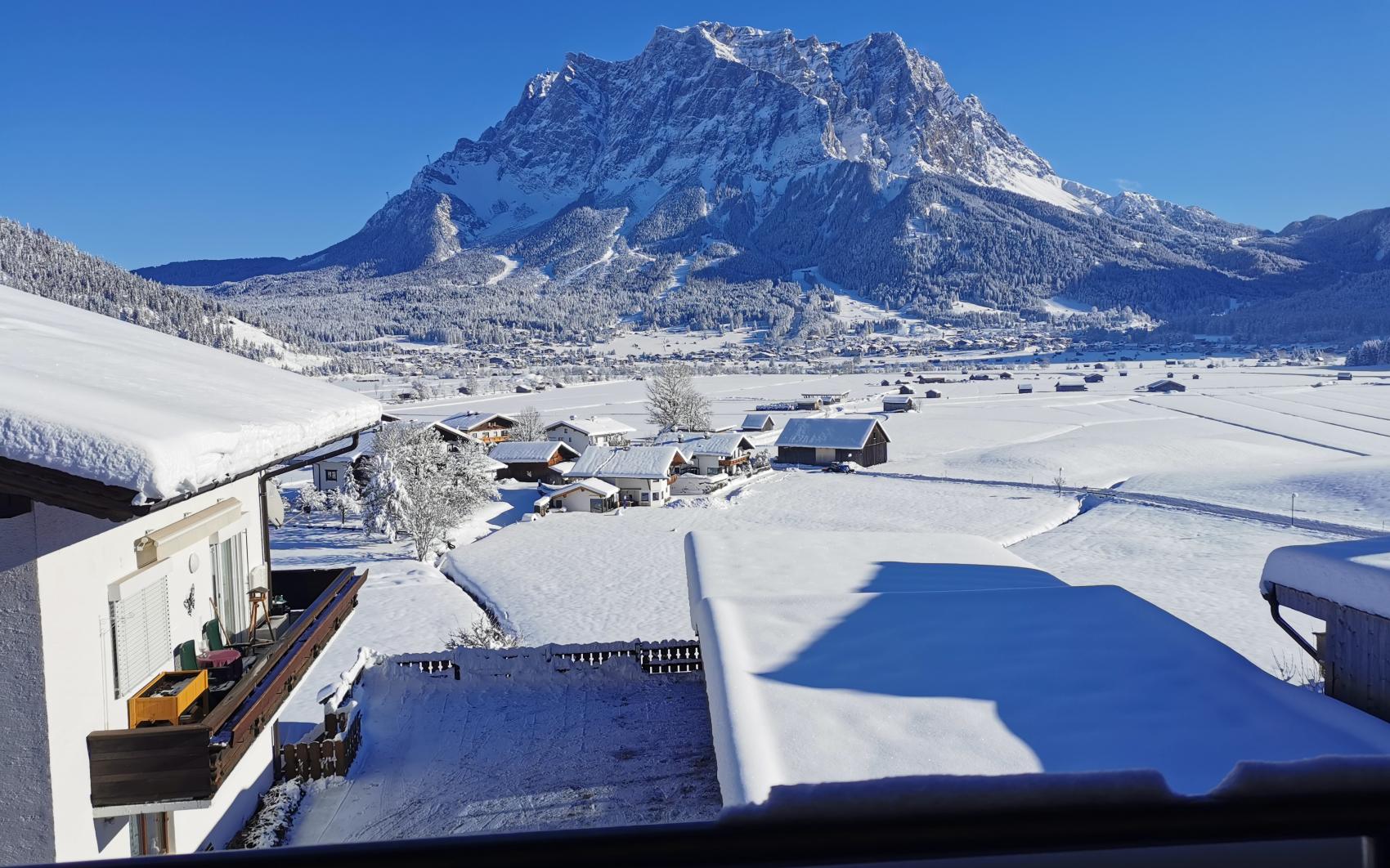
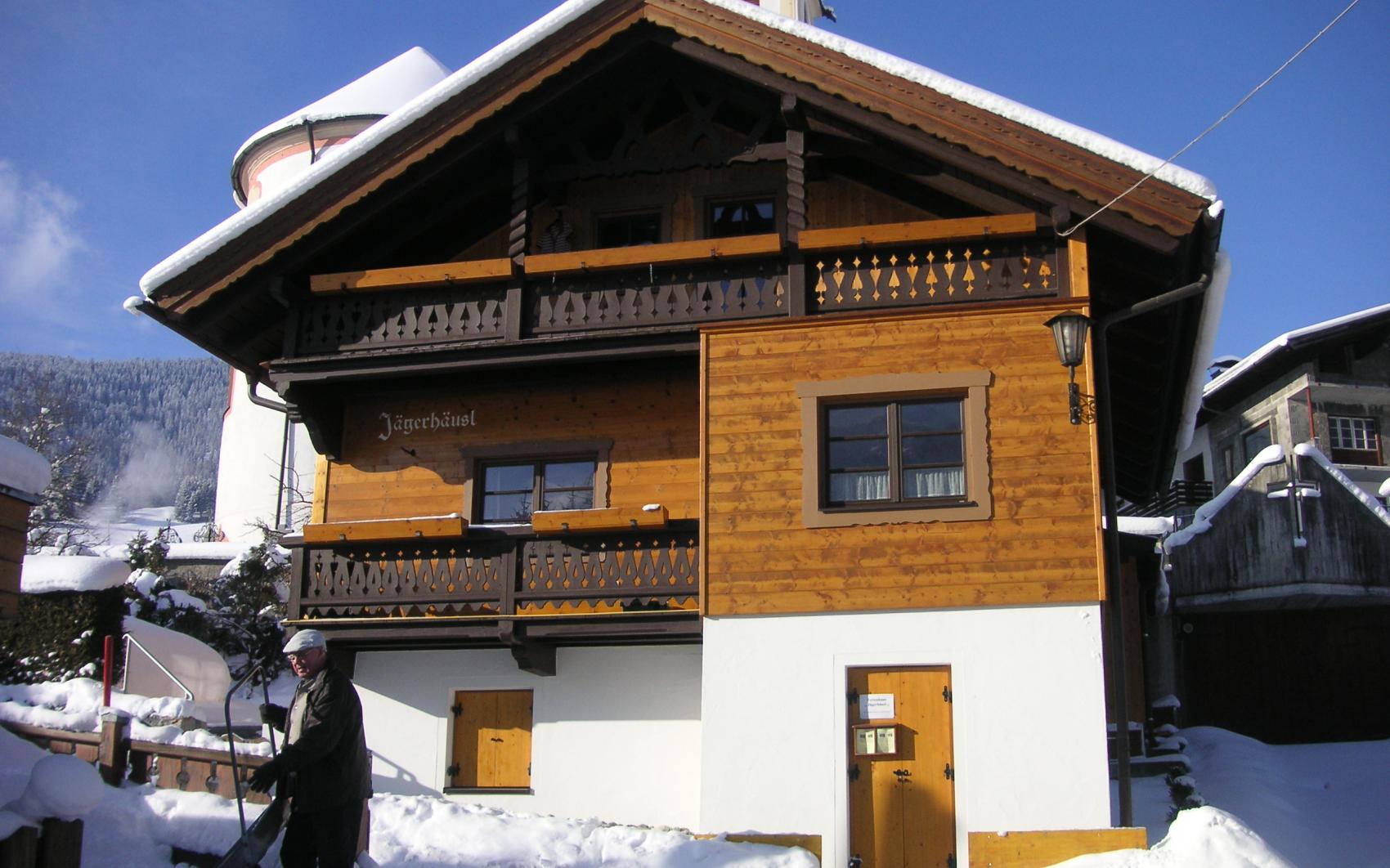
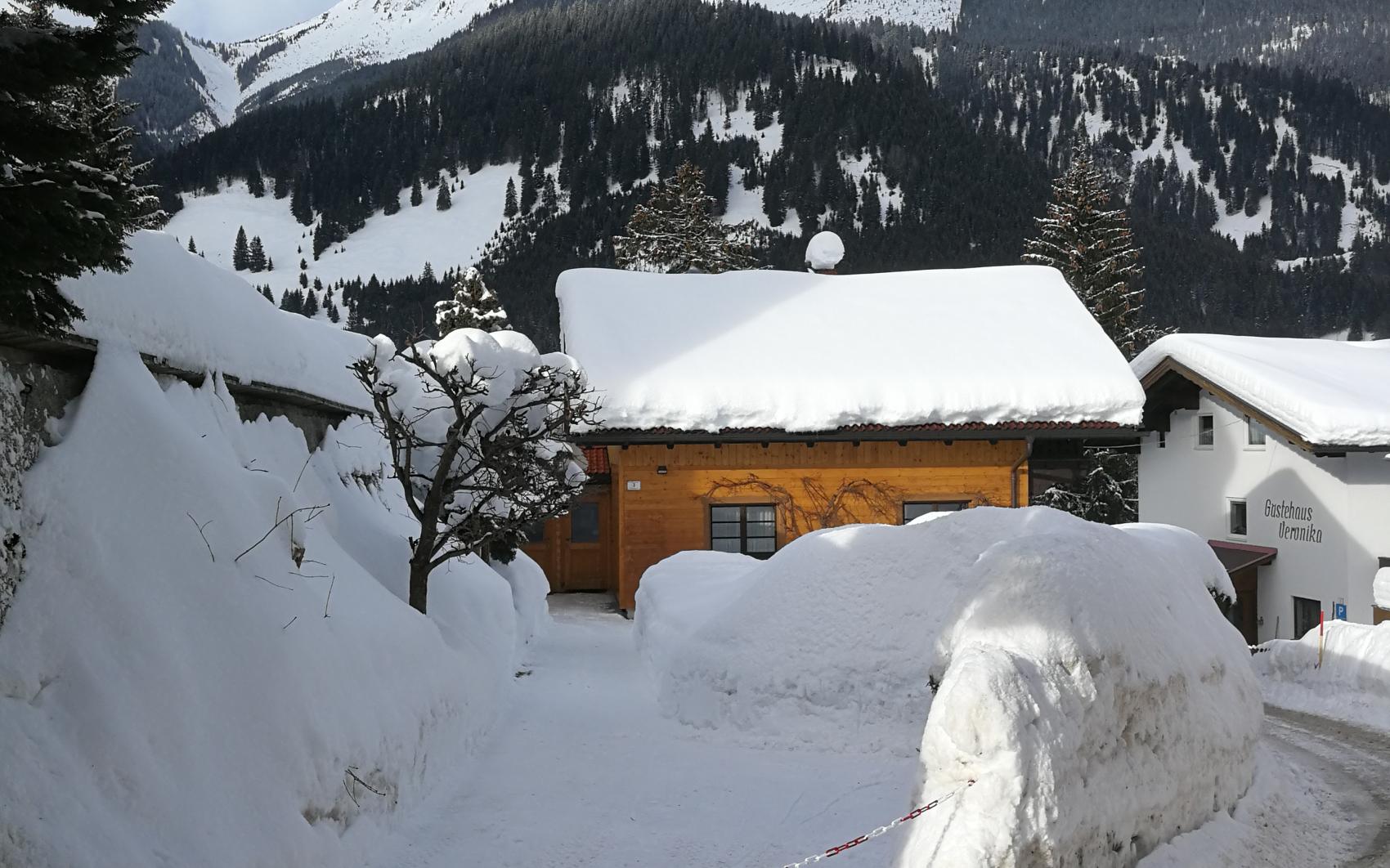
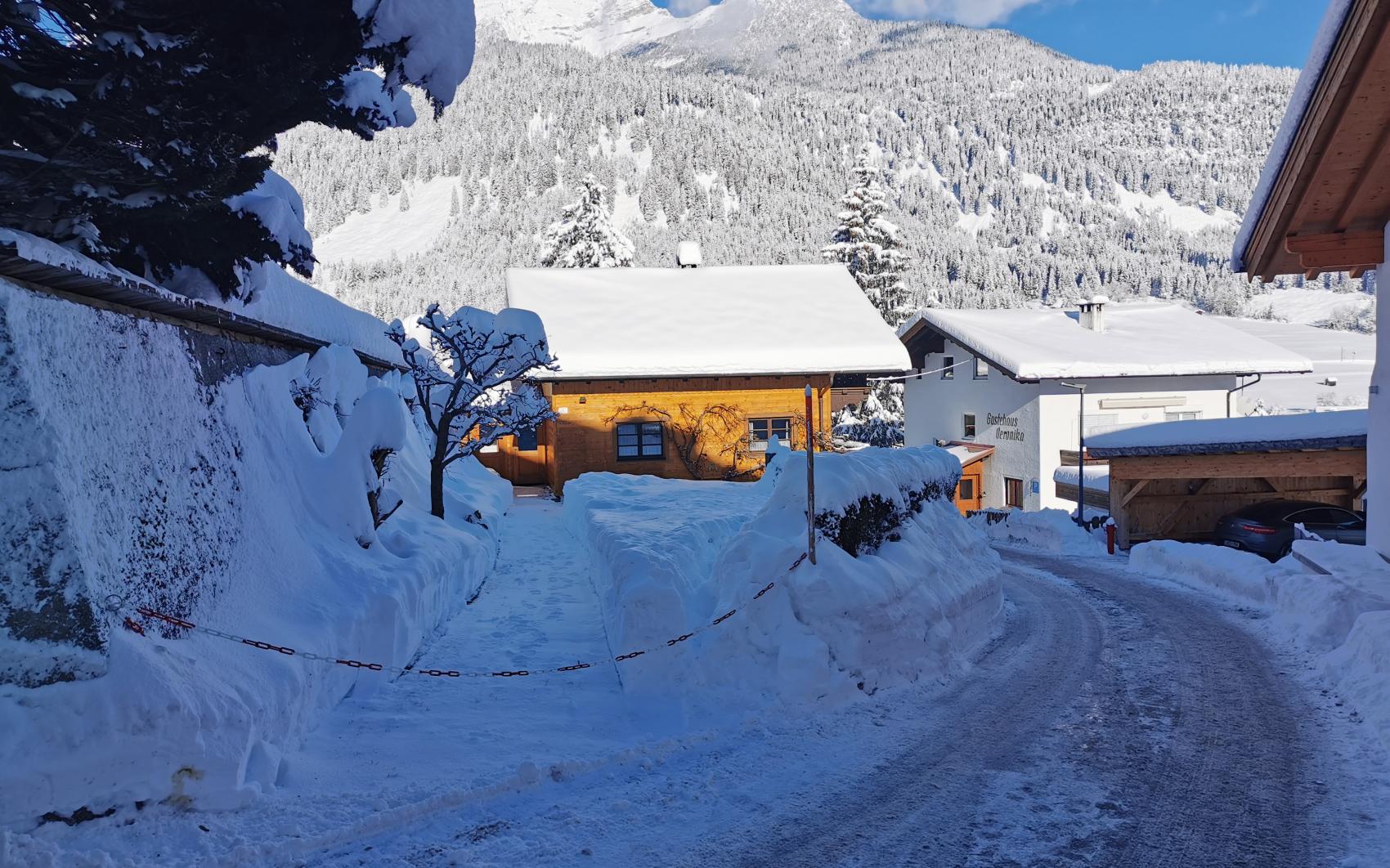
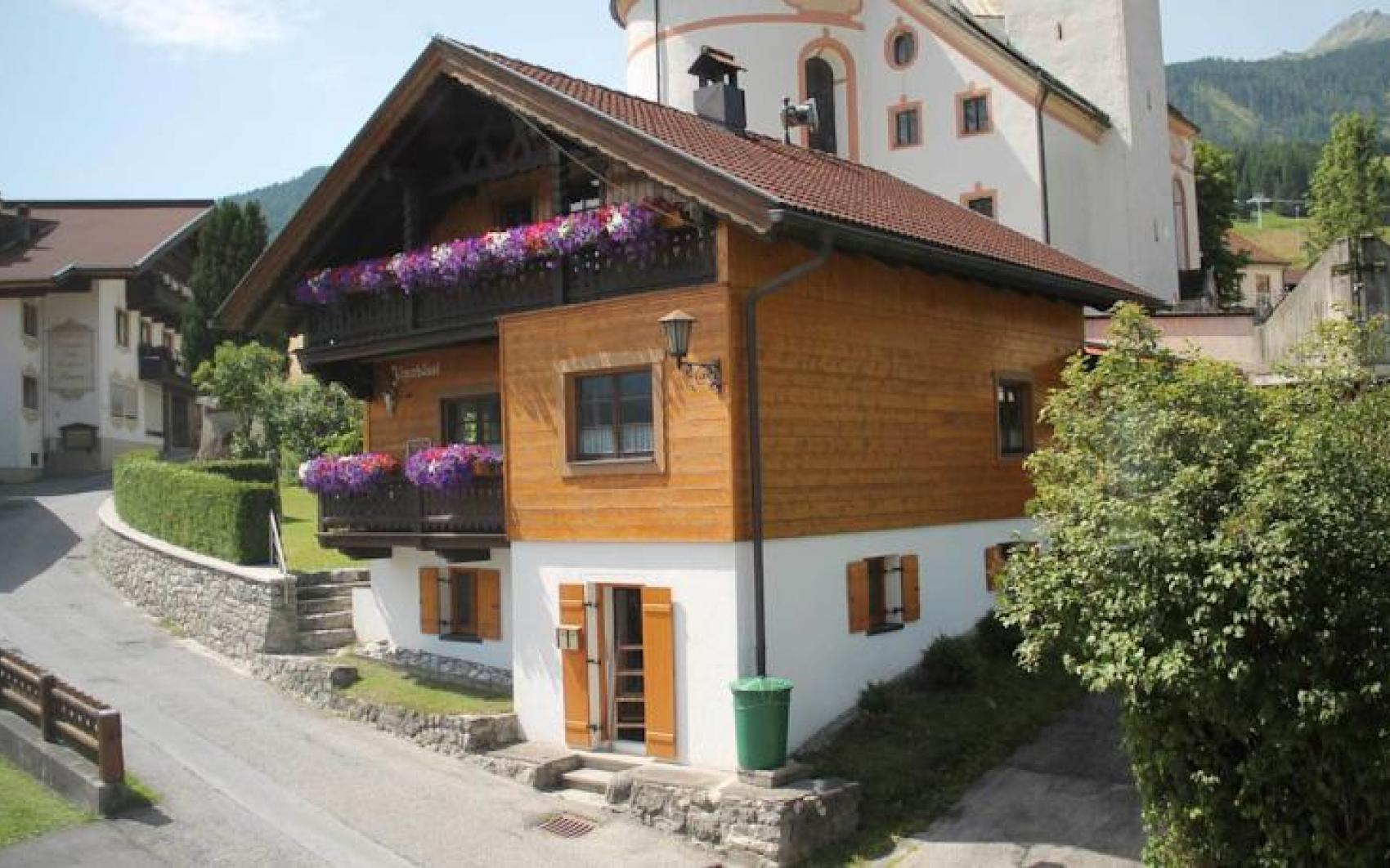
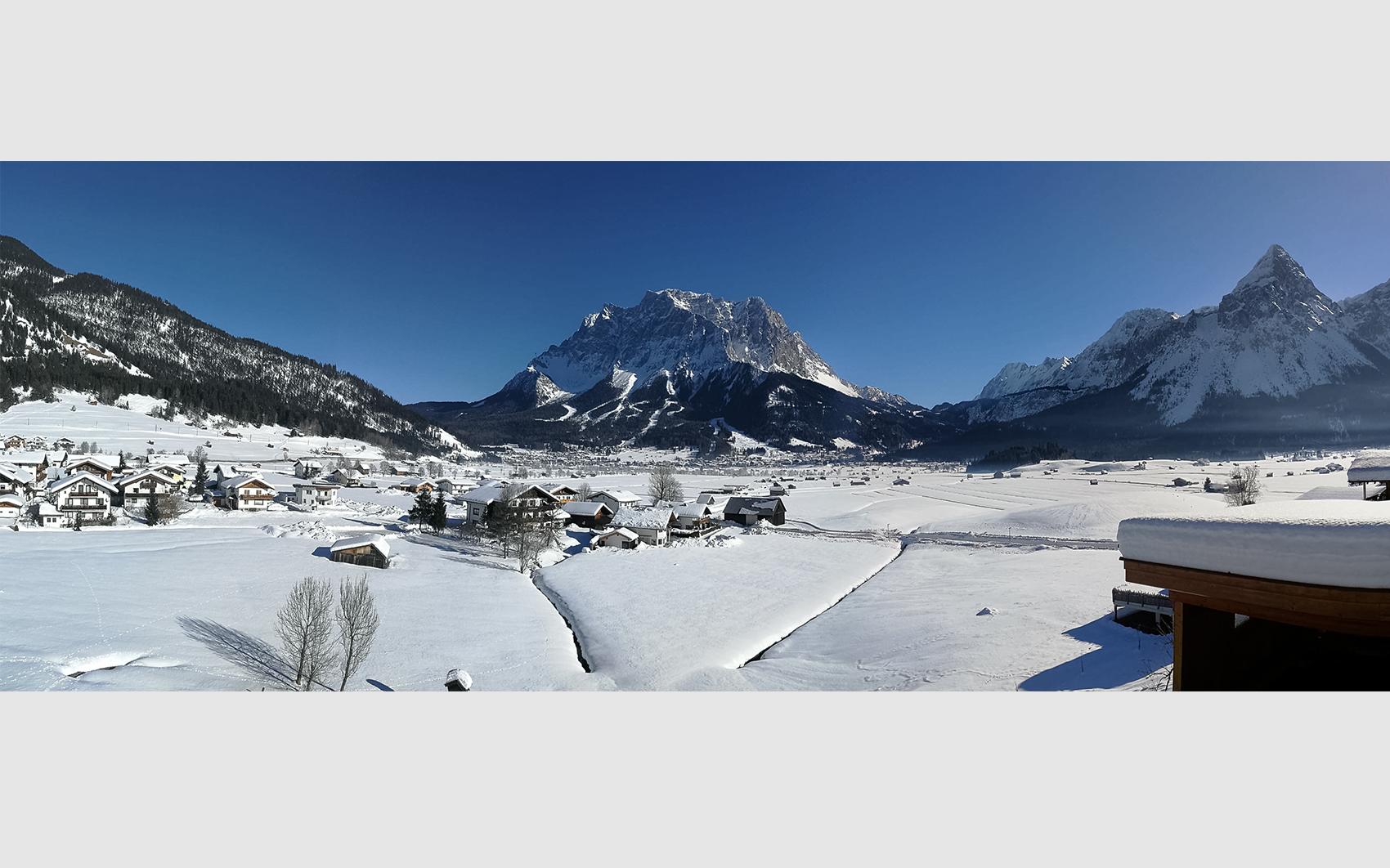
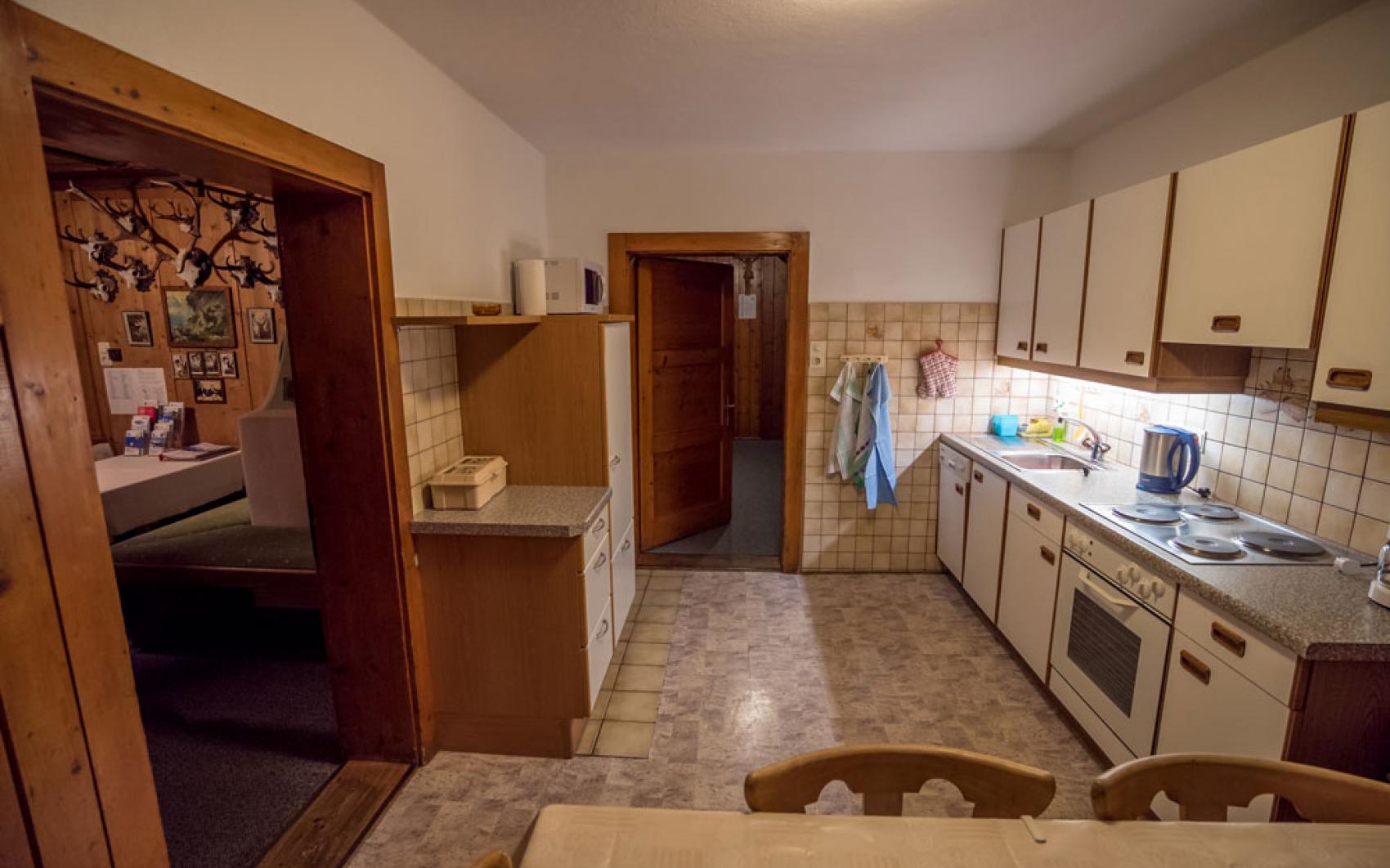
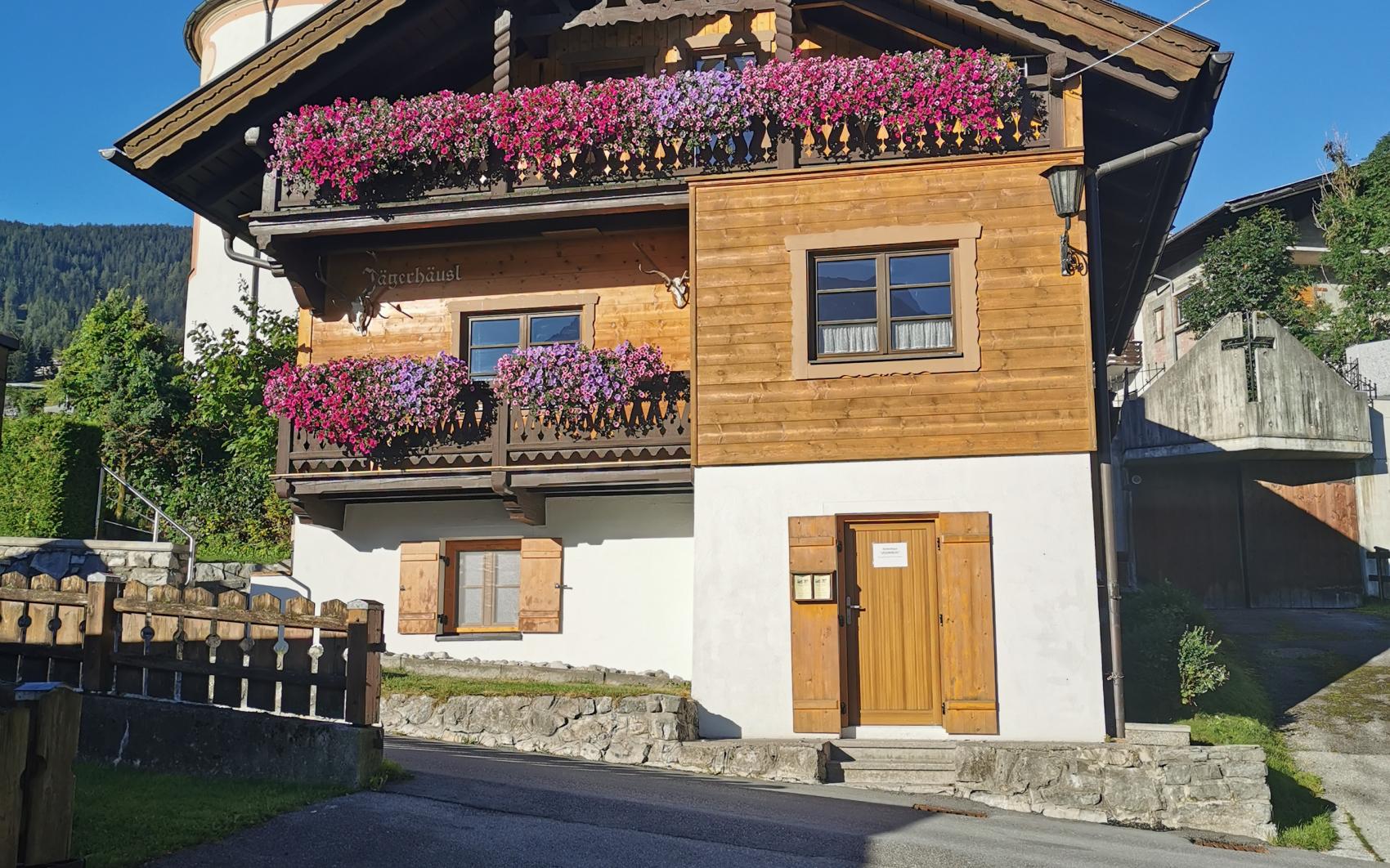
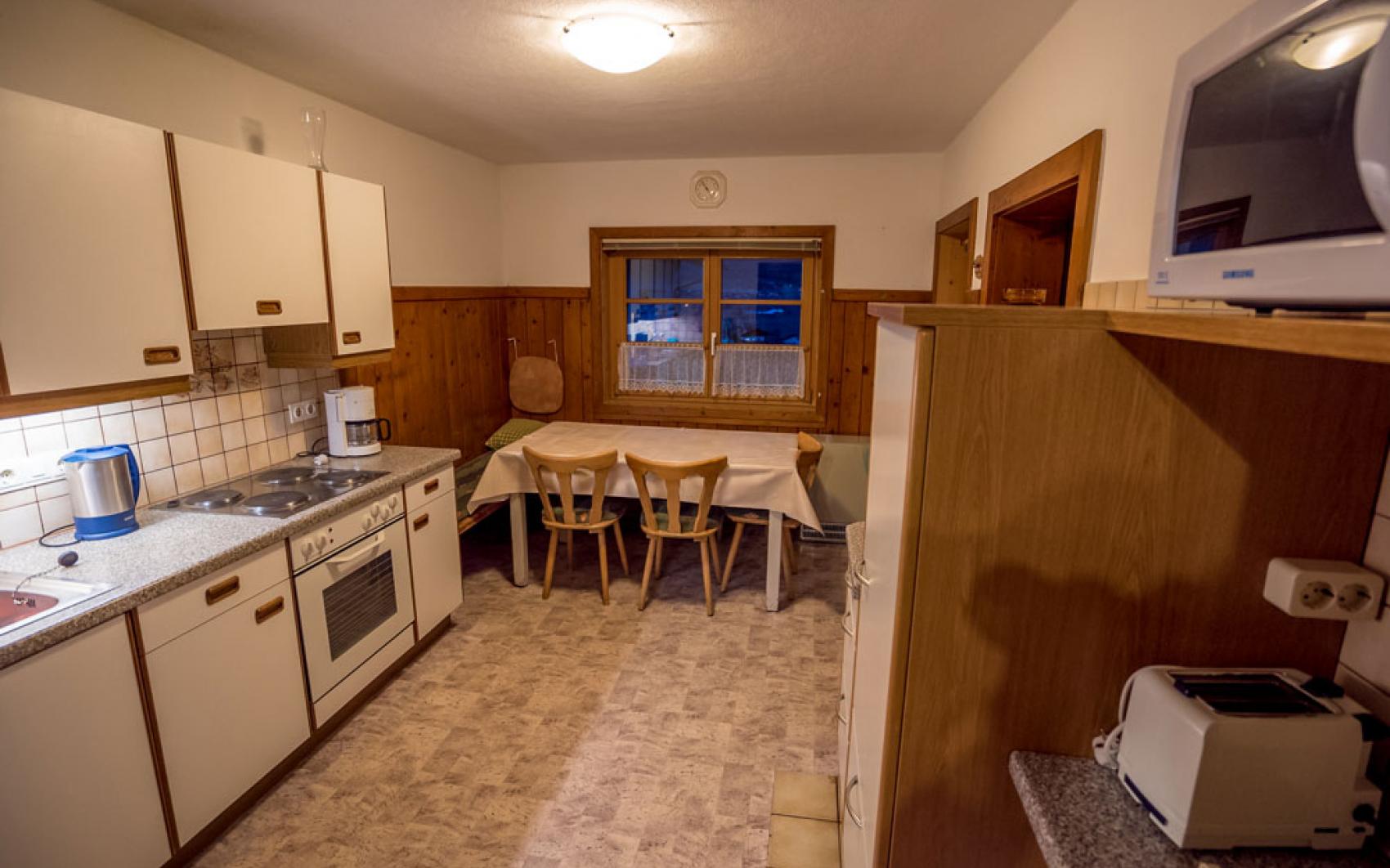
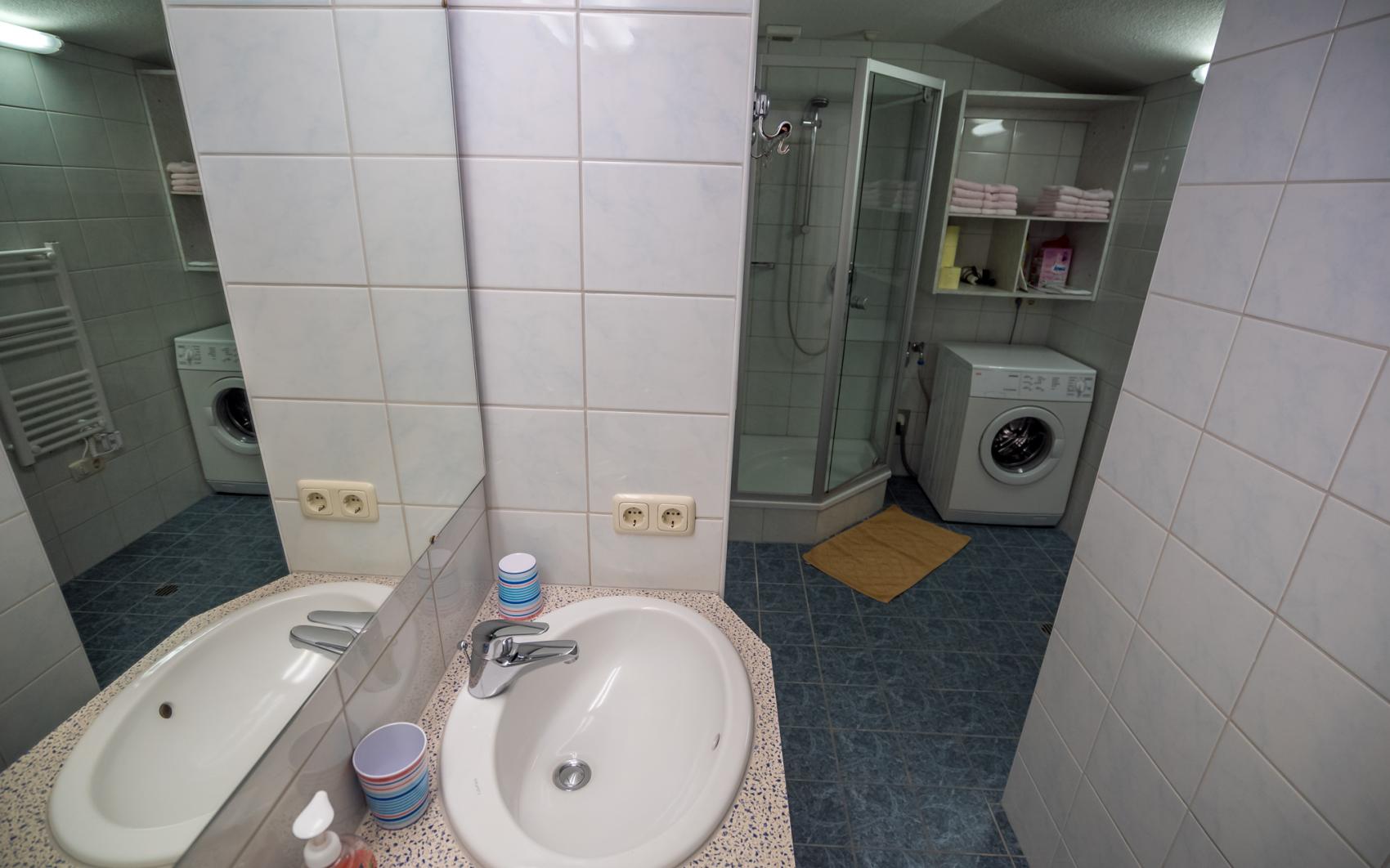
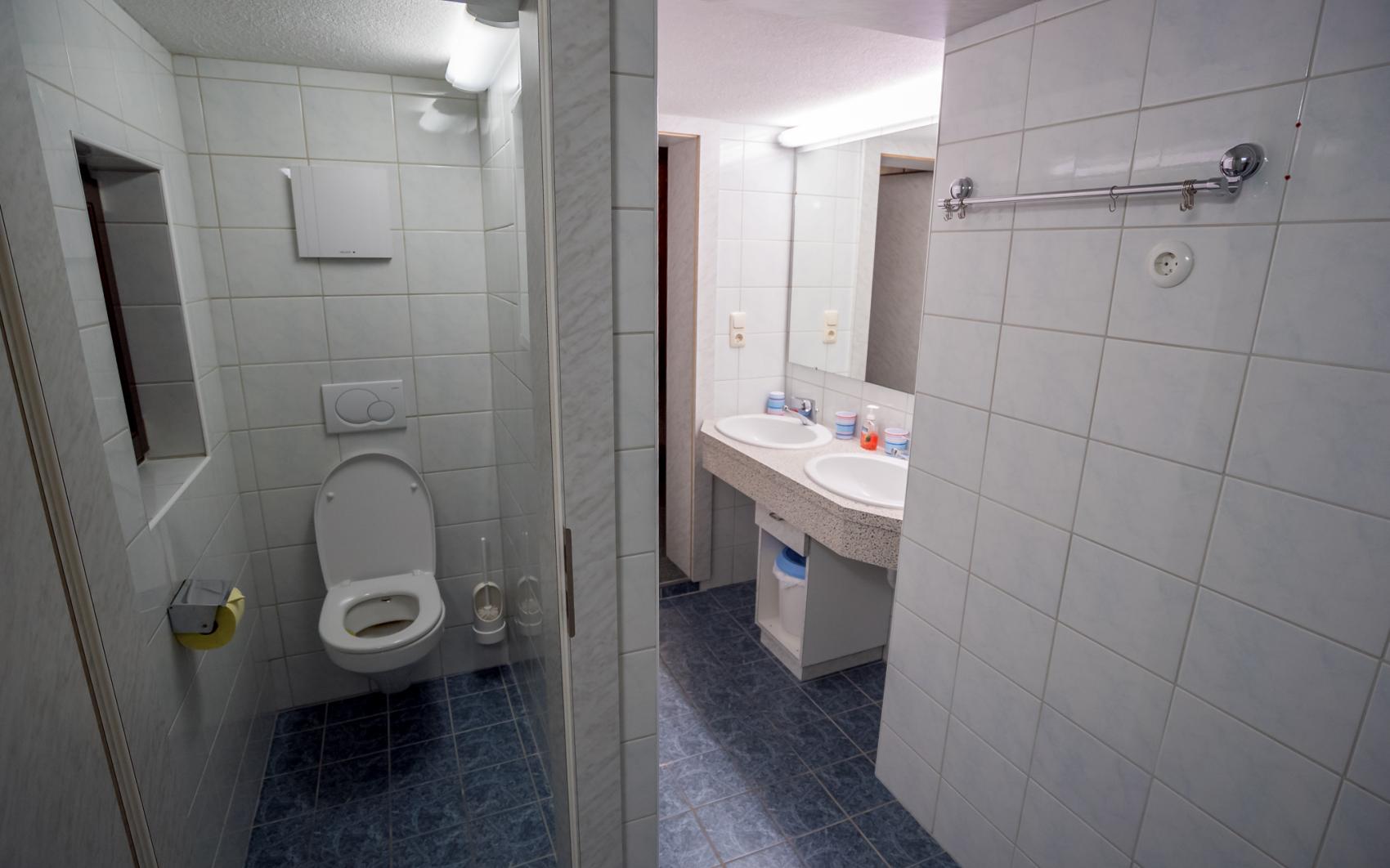
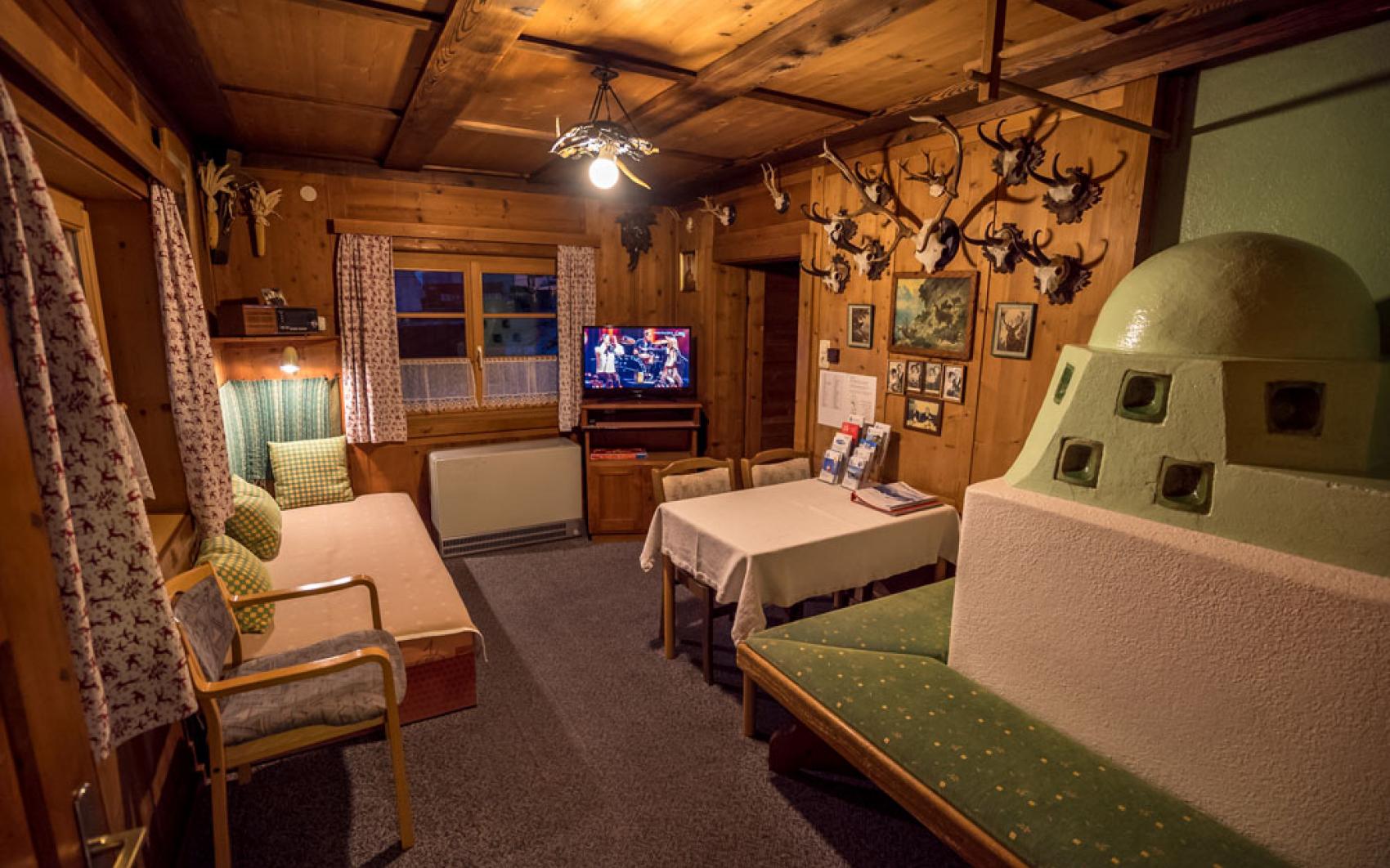
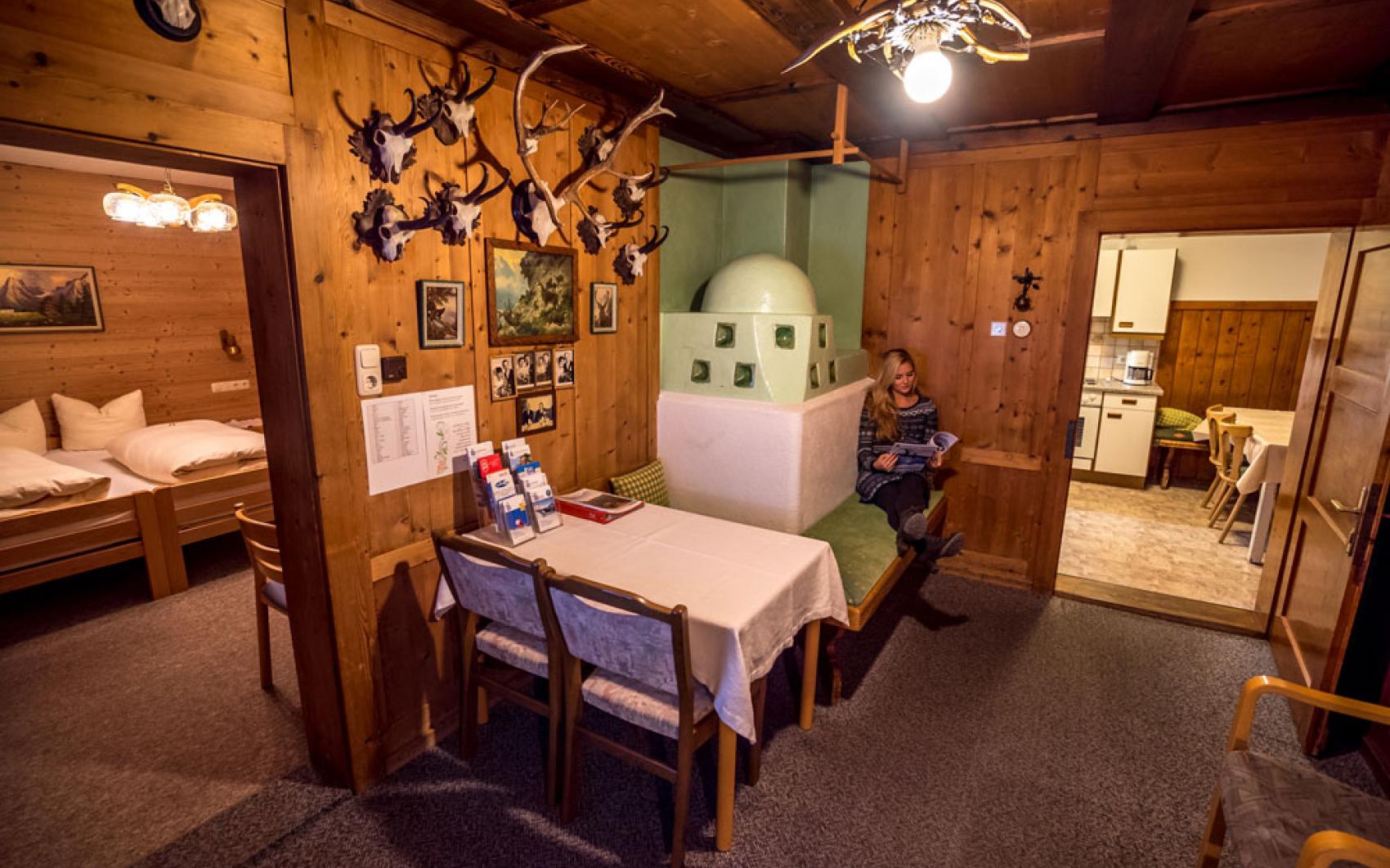
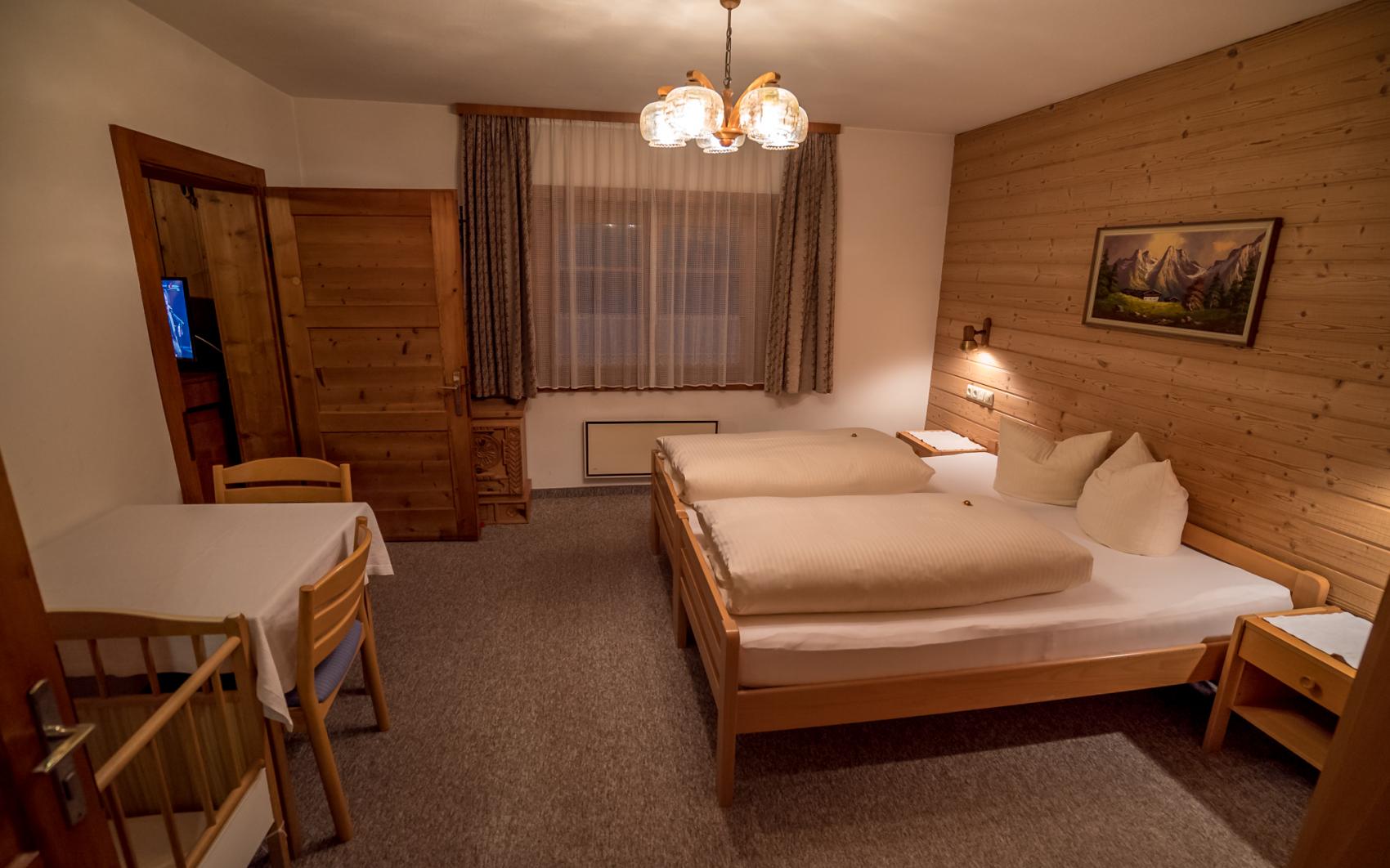
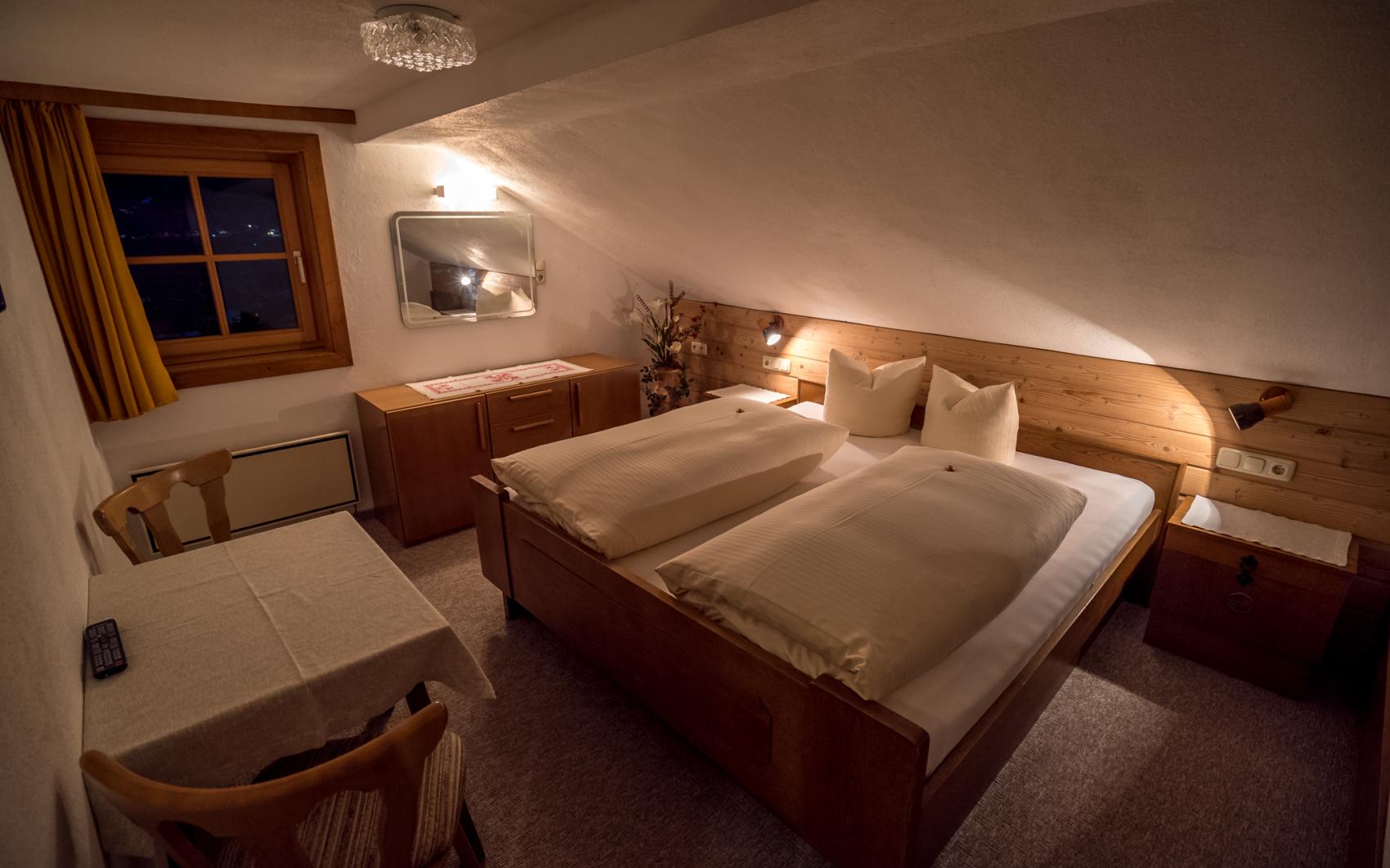
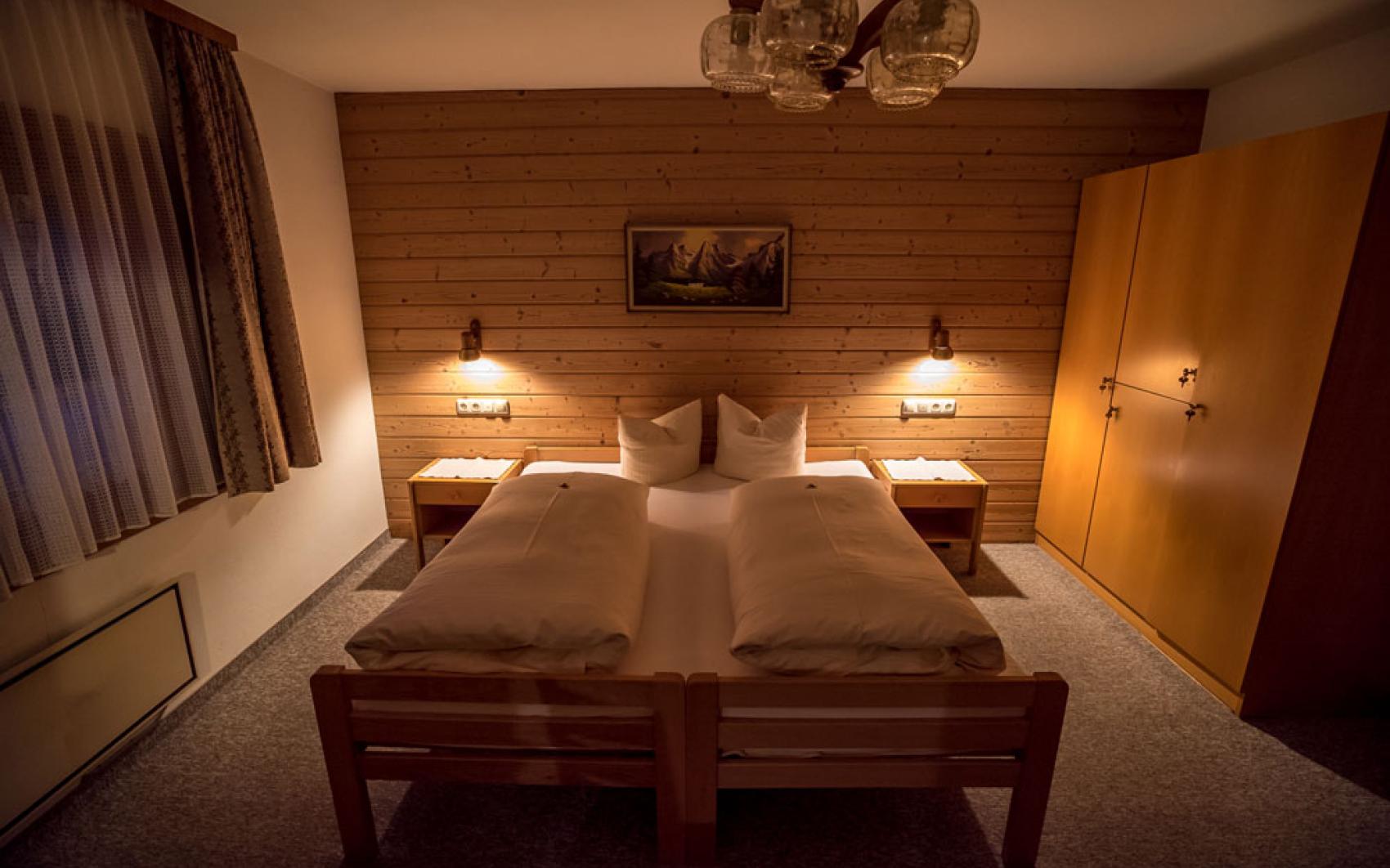
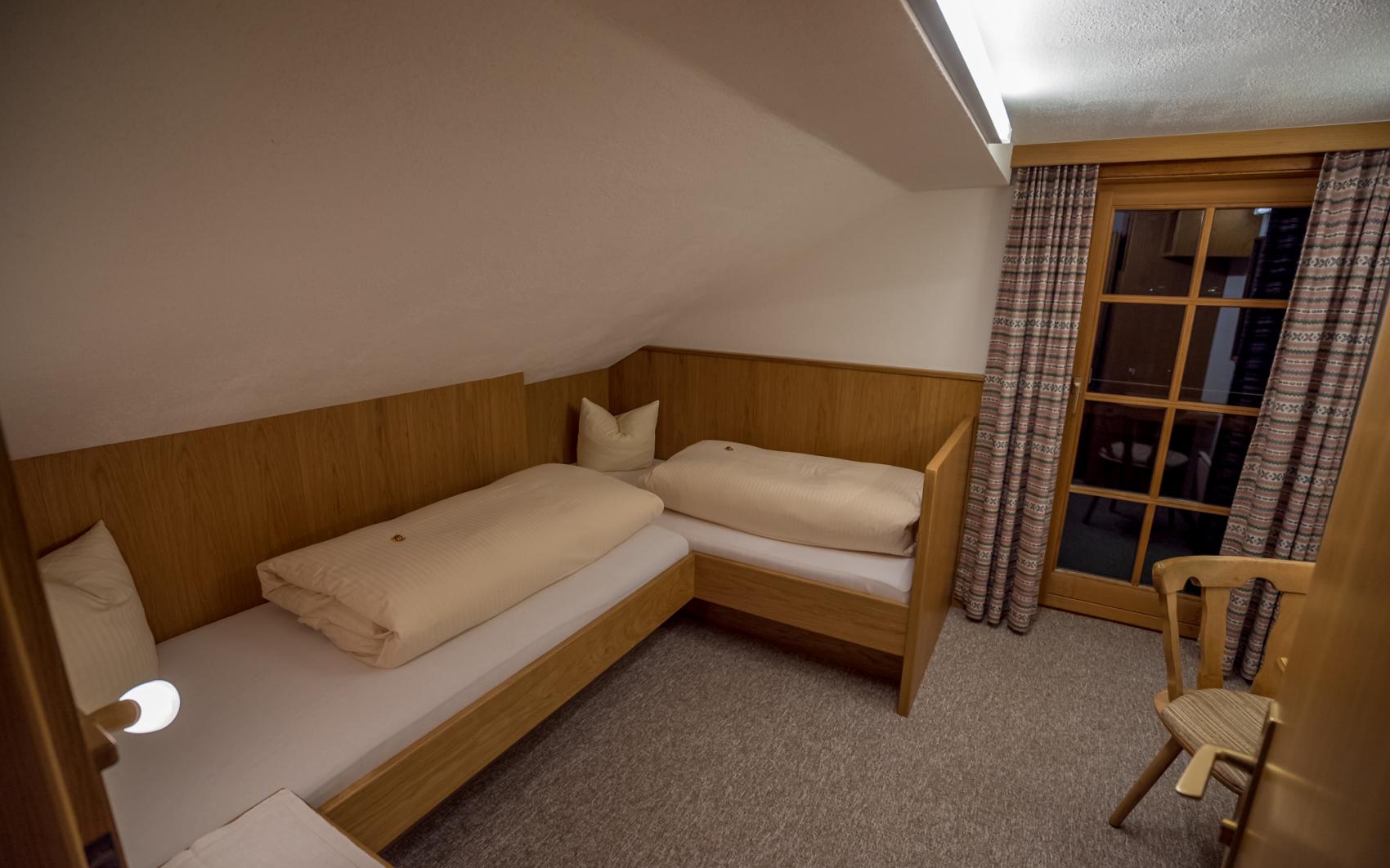
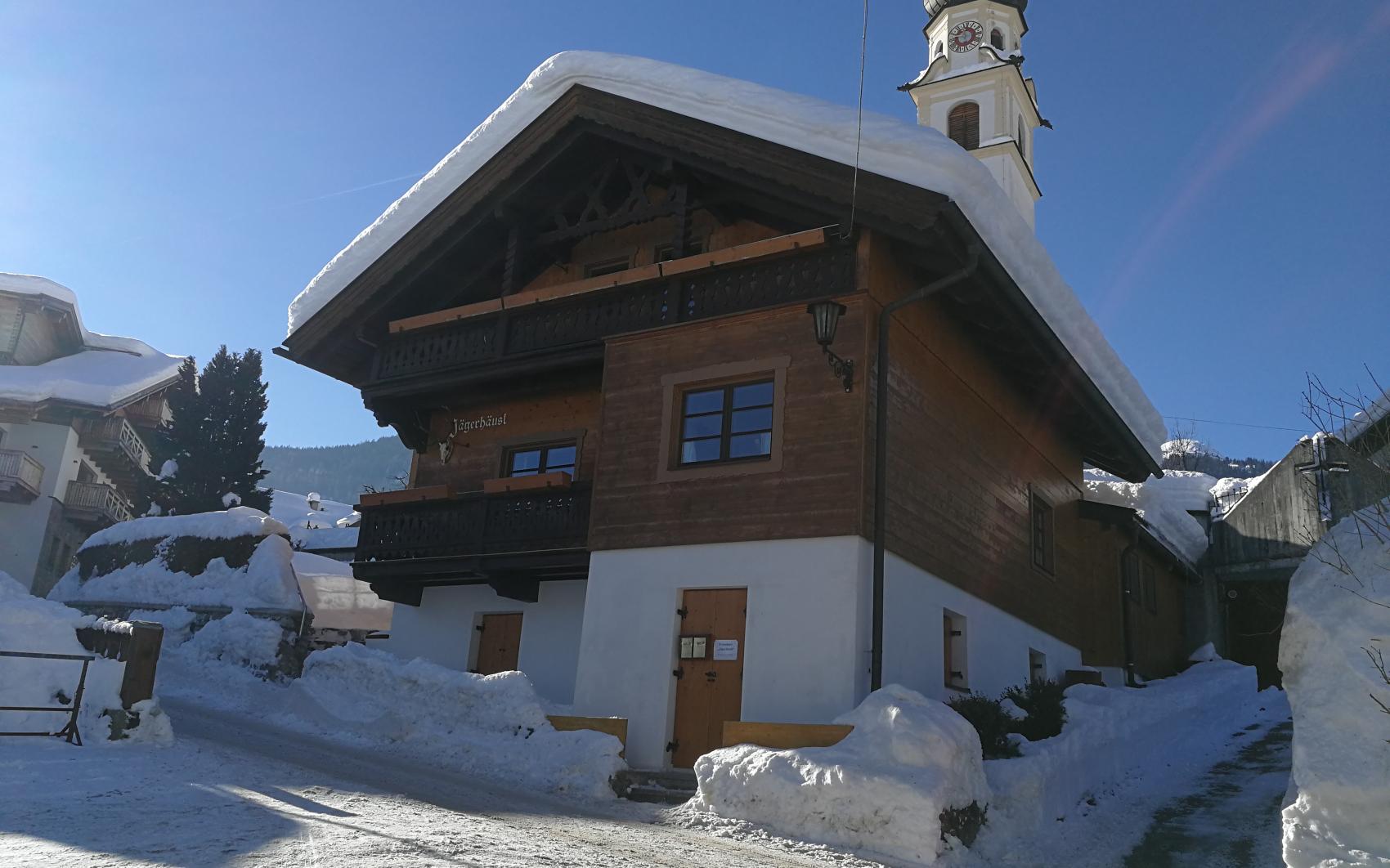
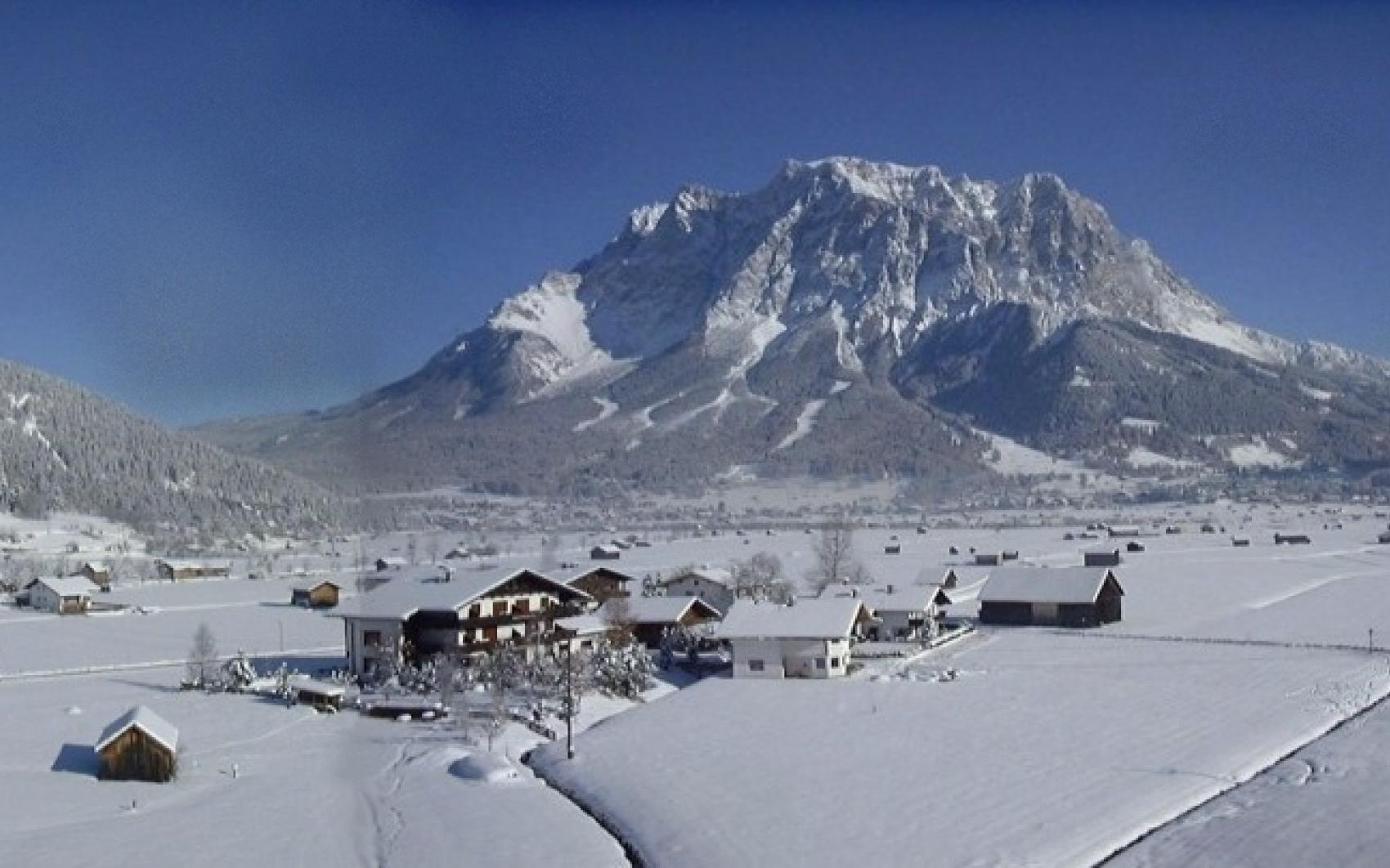
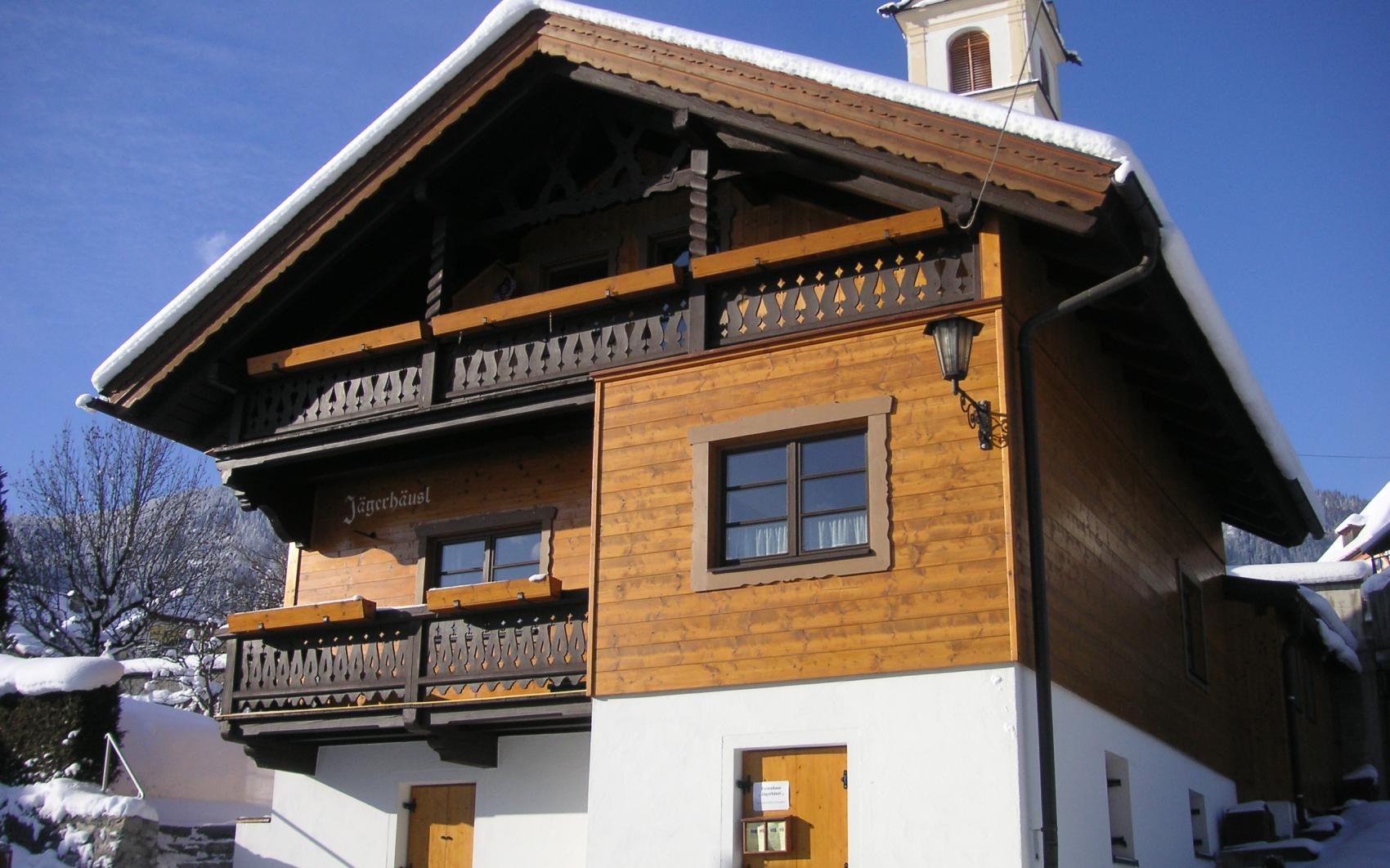
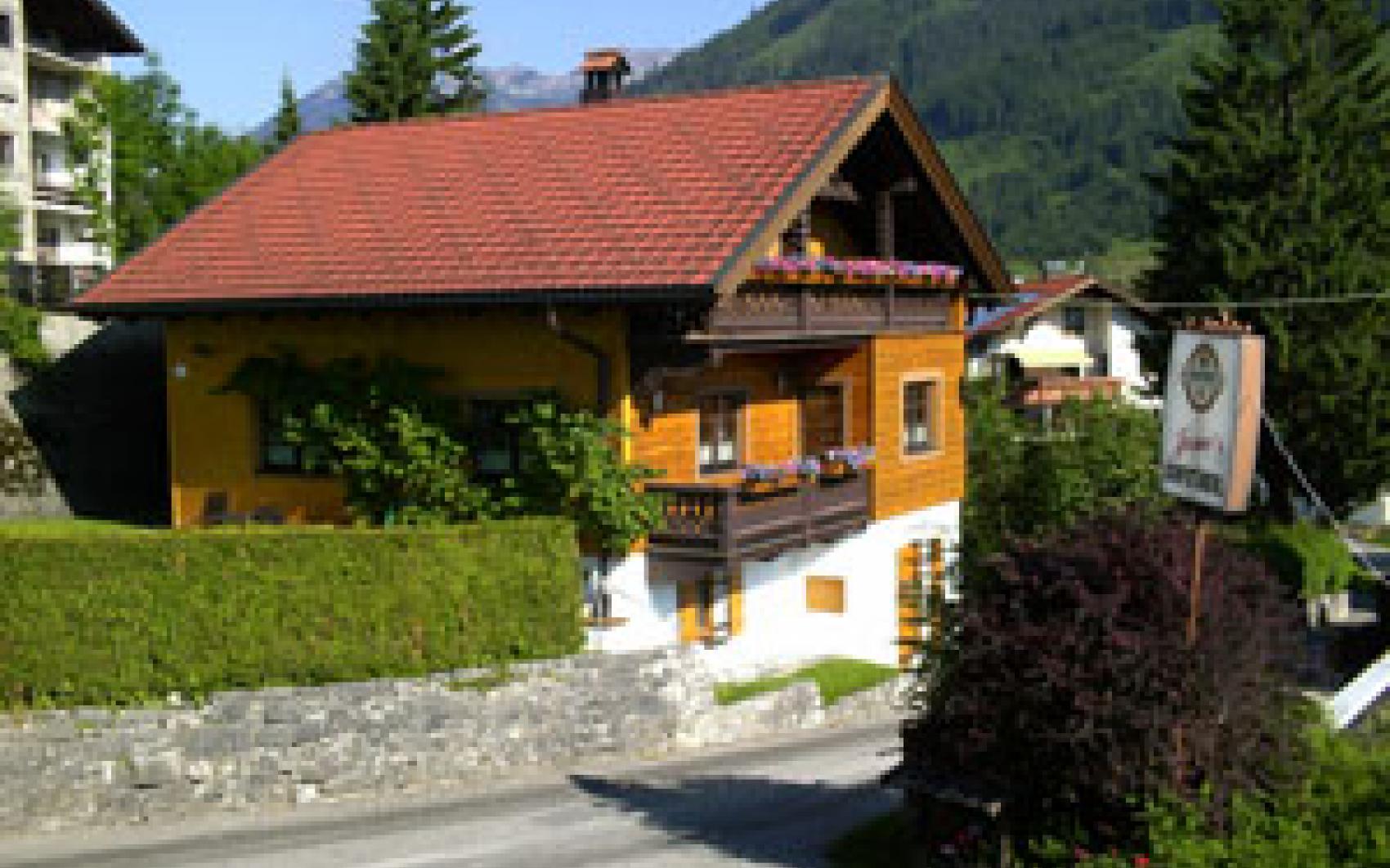
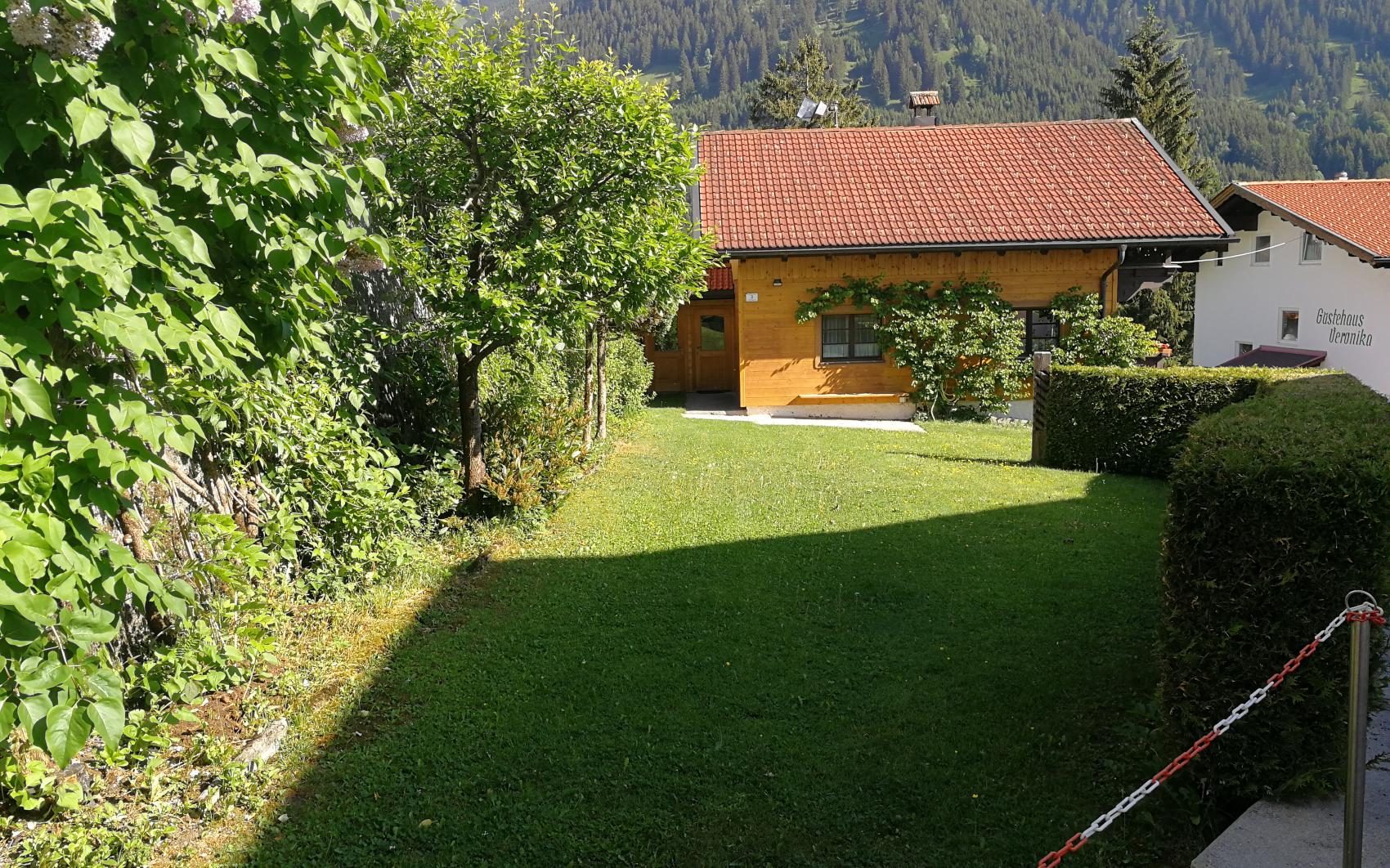
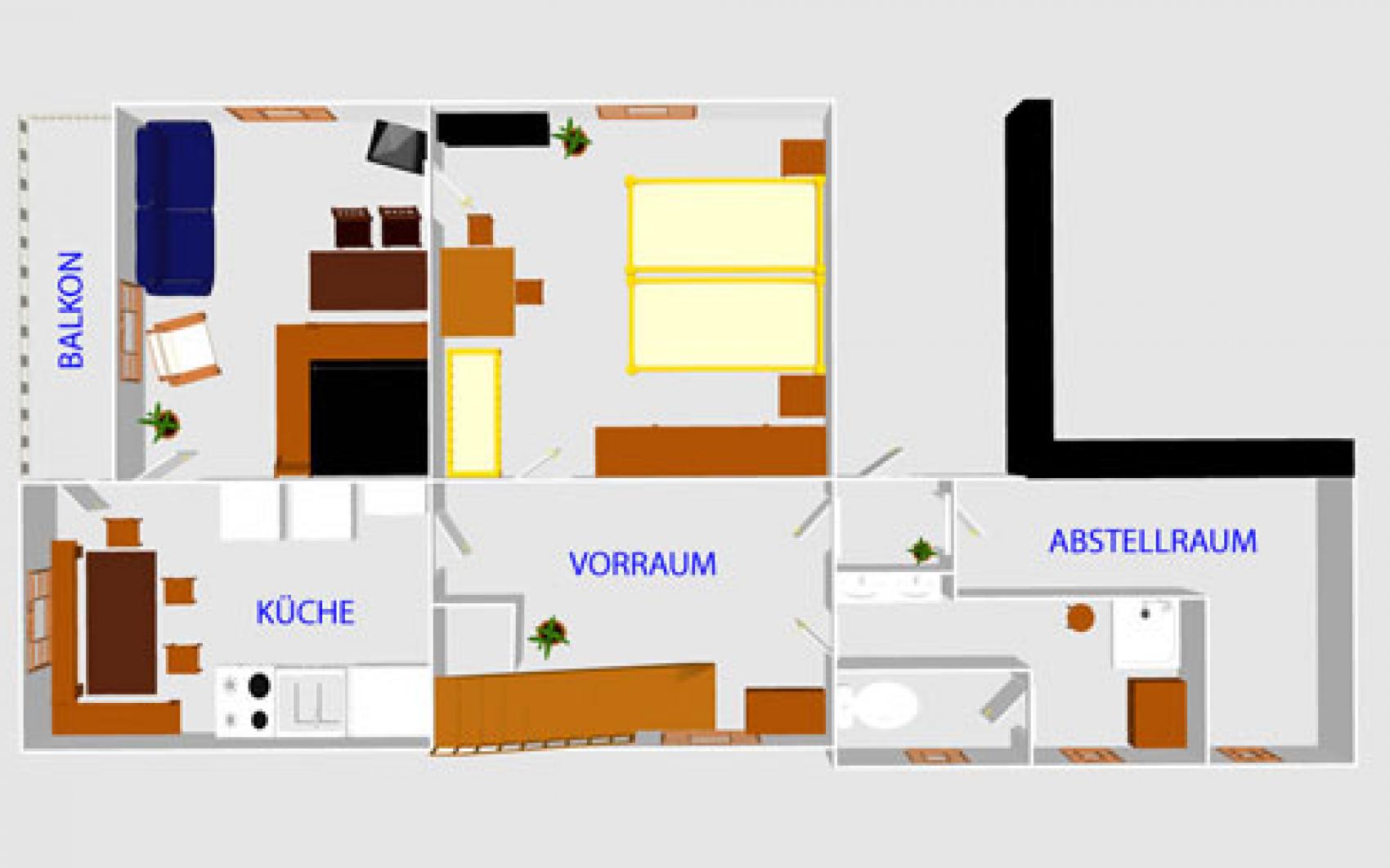
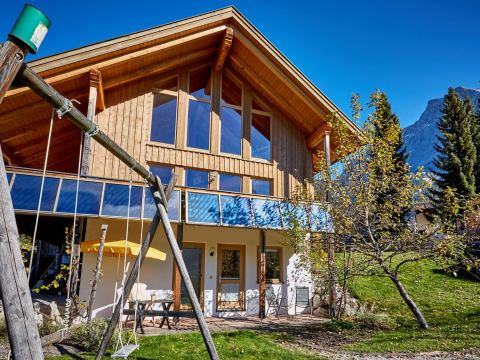
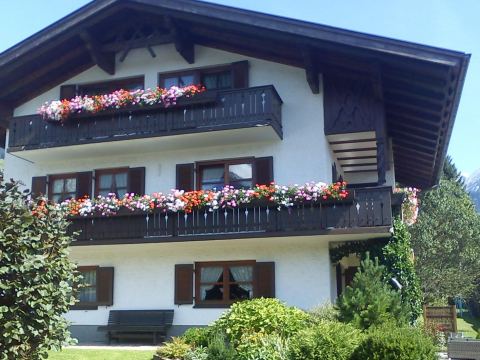
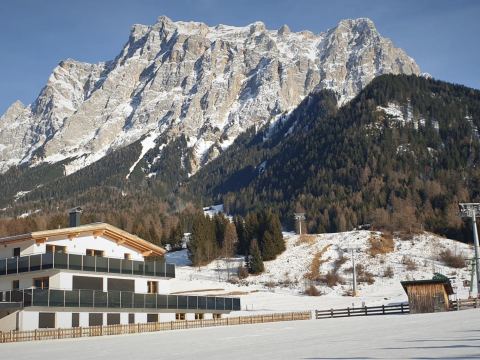
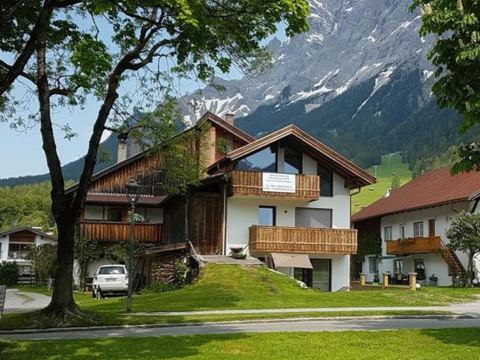
Located in a quiet side street – with a magnificent view over the whole valley basin.
Close to the centre: the ski school, lifts and shops are just a few minutes' walk away.
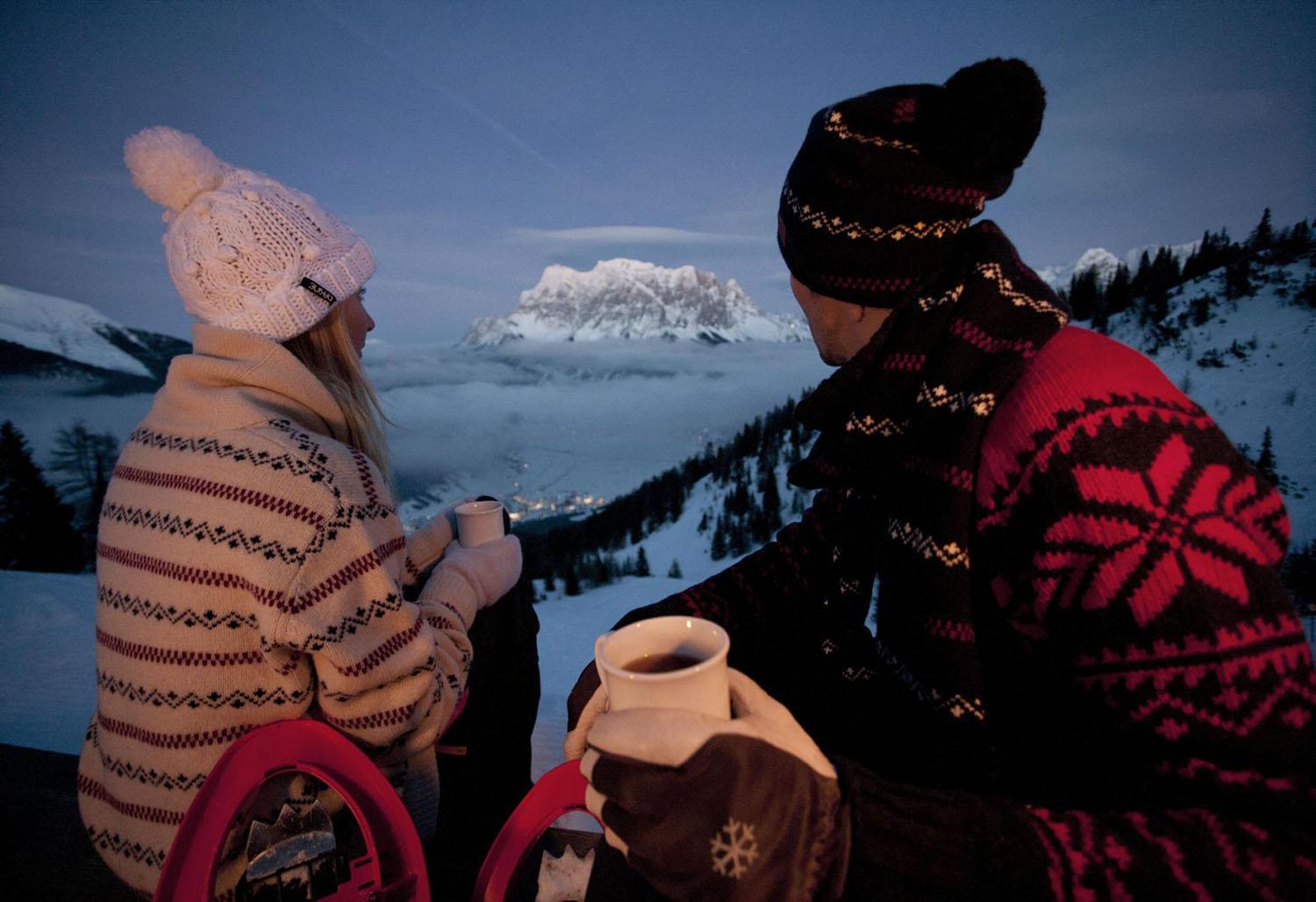
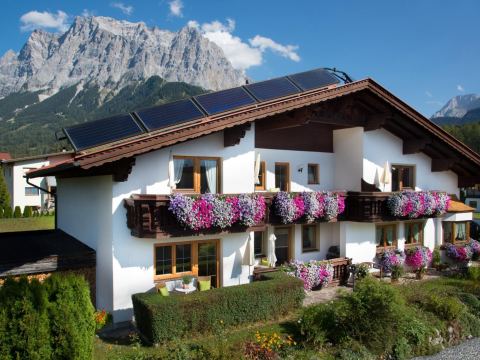
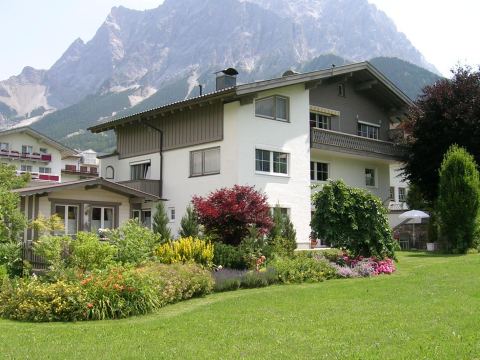
Your holiday paradise in the Alps – with a sweeping view over the valley towards Zugspitze, Sonnenspitze, and Daniel.
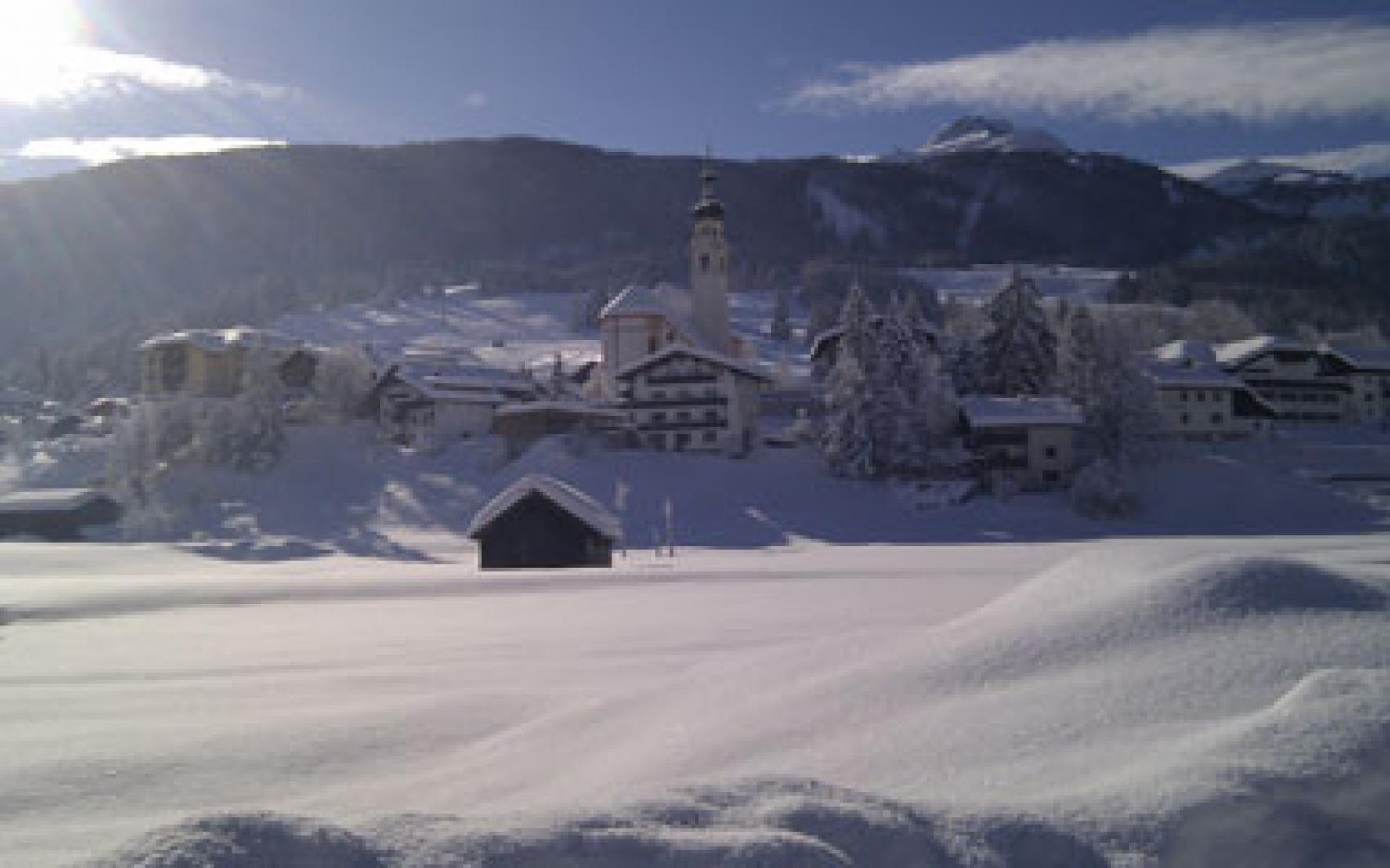
Lermoos is a true holiday paradise for active travelers and families alike. Nestled in the west of the Zugspitz valley, it offers a stunning view over the vast valley, showcasing Zugspitze, Sonnenspitze, Grubigstein, and the majestic Daniel.
Once, the famous Via Claudia, an ancient Roman road, ran through Lermoos, with remnants still visible today. Now, Lermoos has become a significant tourist destination, boasting around 3,500 guest beds across all categories – après-ski venues, bars, pubs, cafes, and restaurants create a lively atmosphere.
"A true holiday paradise for active travelers and families – right in the heart of the Zugspitz valley."
History · Lermoos
The Romans established their Via Claudia Augusta through the valley basin, where a wooden path made of tree trunks traversed the marshy terrain. Lermoos appears in documents as "Larinmos" between 1073 and 1078. In the Middle Ages, trade between Italy and Bavaria brought prosperity: there was a salt depot, and from the 16th century, a postal station and an inn for travelers. After traffic took different routes, tourism revitalized the area after 1945.
The origin of the name: The old form "Larinmos" may stem from "Larch Marsh."
Source: Wikipedia – Lermoos
Countless hiking trails on Grubigstein with breathtaking views of Wetterstein, Zugspitze, and Sonnenspitze.
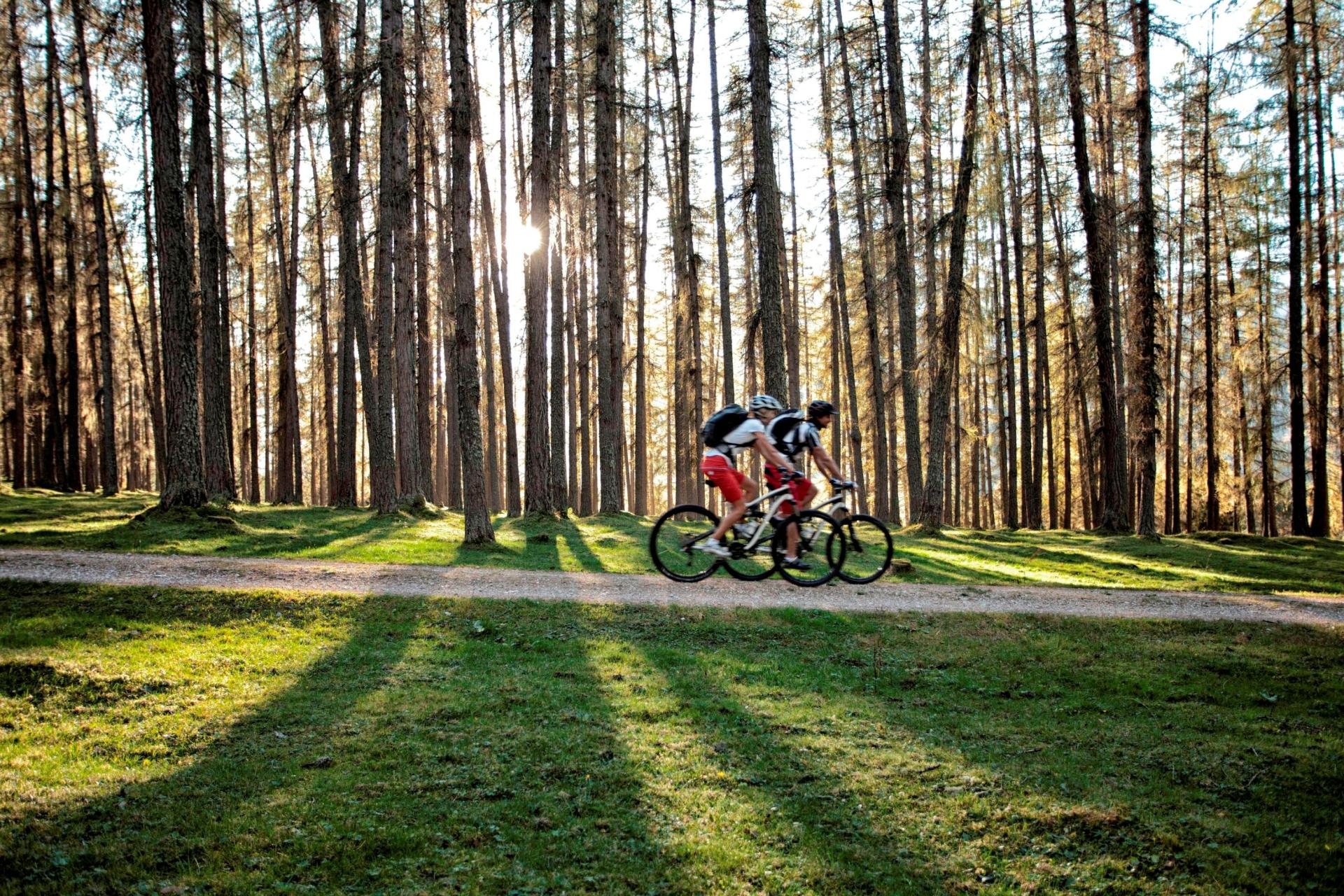
Varied routes and the expansive marsh landscape – perfect for leisurely cycling.
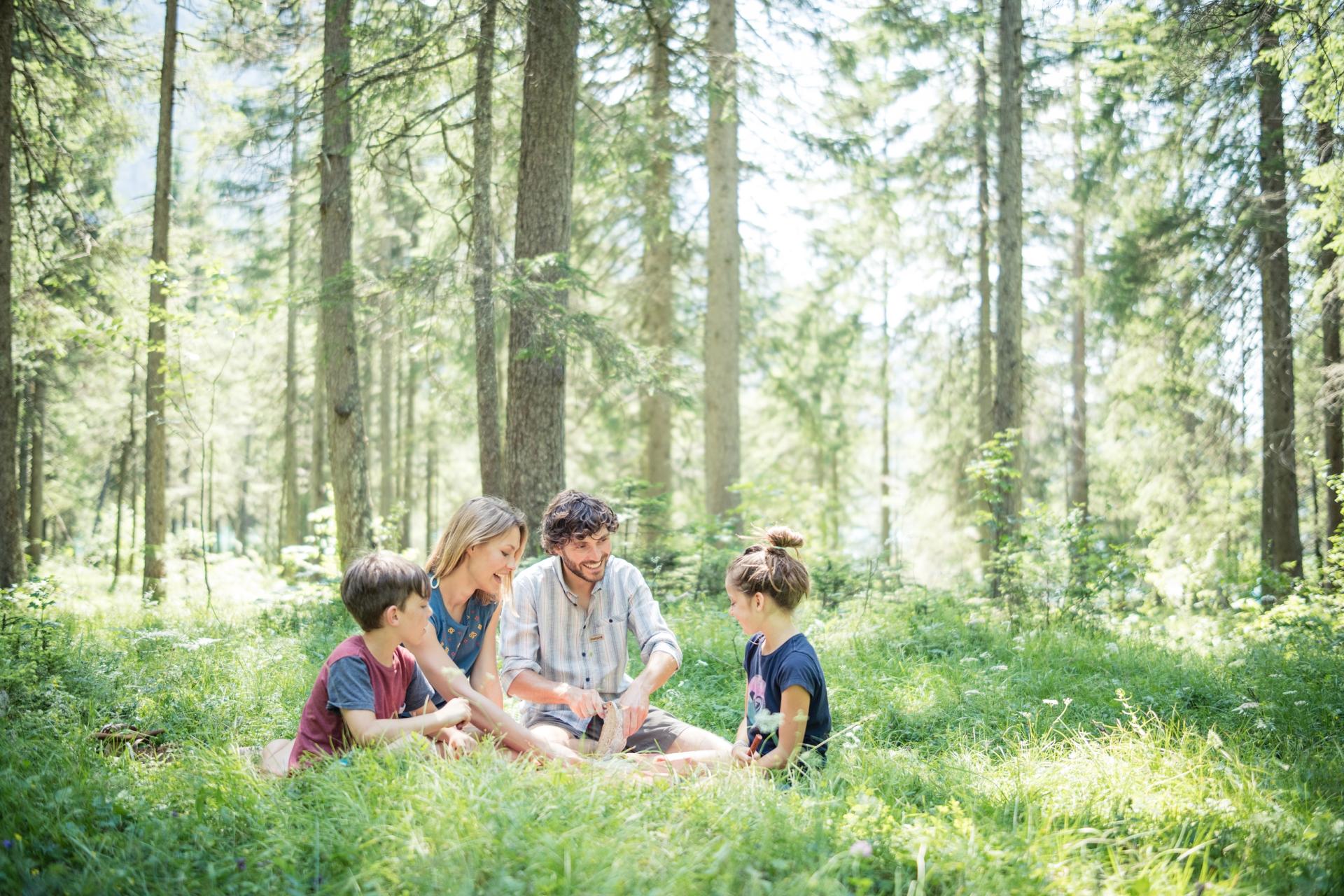
Family recreation area with a pond and a large children's playground right in the town.
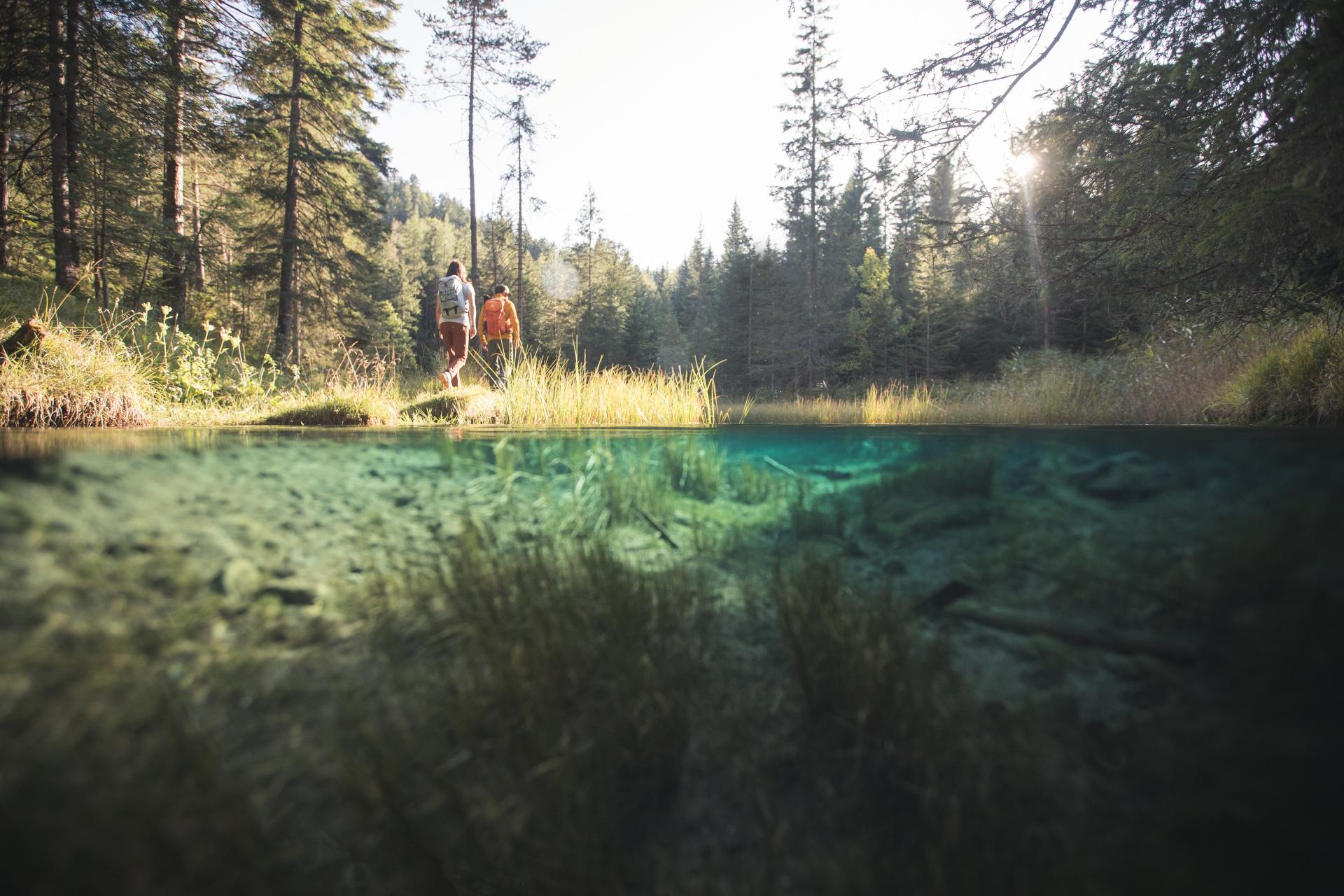
Refresh yourself with a giant slide and water play garden – fun for the whole family.
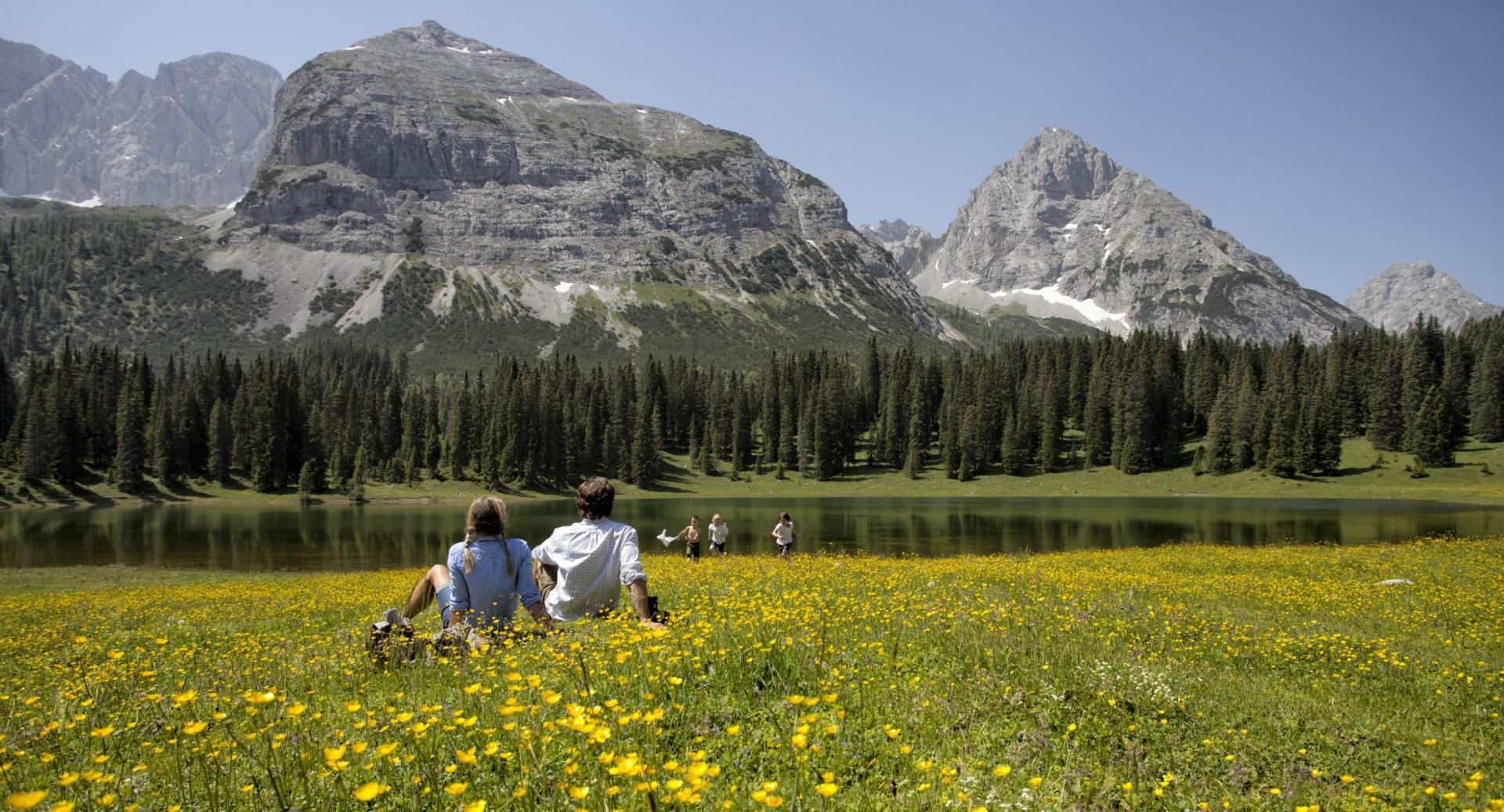
The local mountain of Lermoos with views of the Wetterstein massif, Daniel, and the Mieminger chain.
Impressive 9-hole golf course set in the unique natural landscape of Lermoos Marsh.
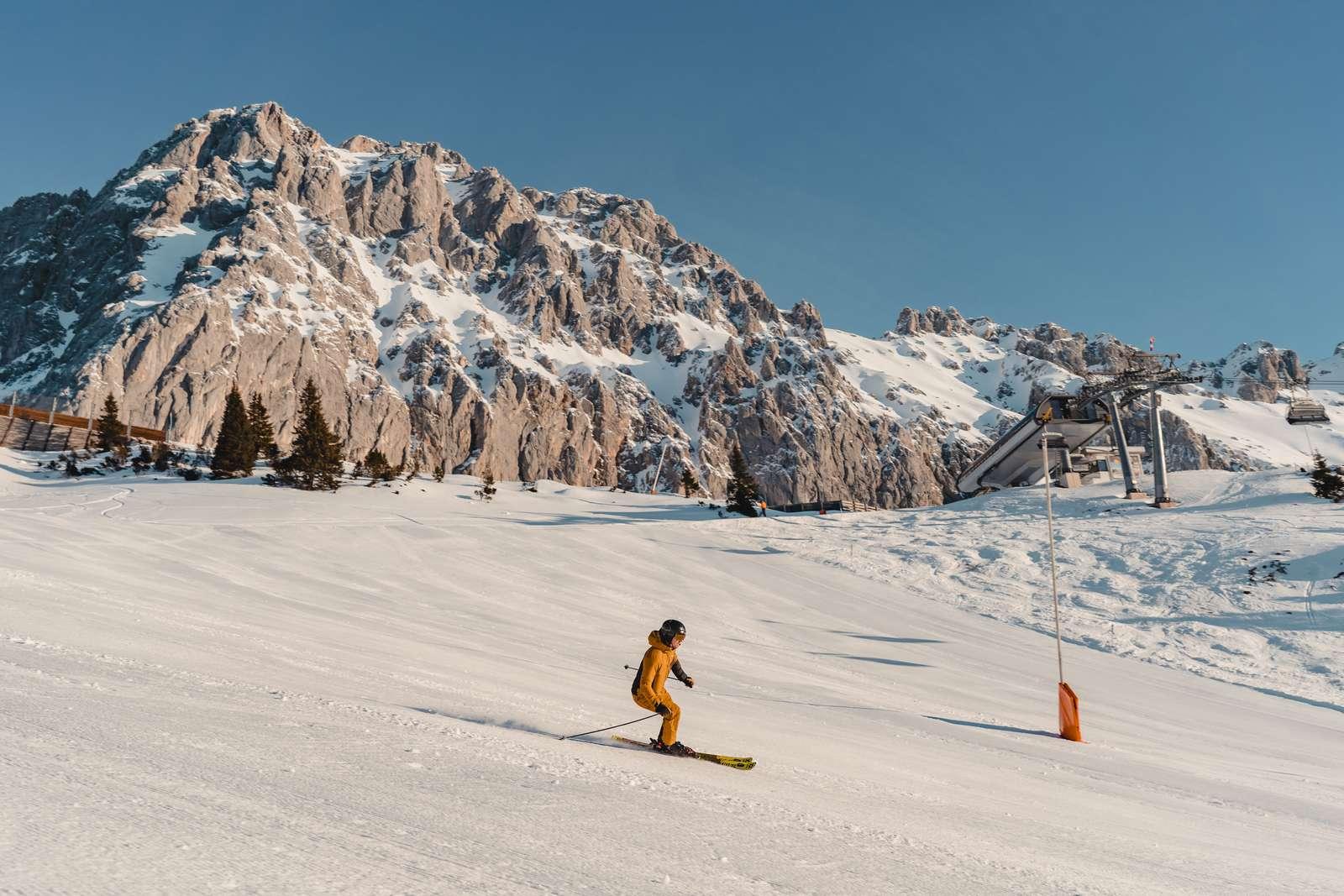
A total of 26.5 km of perfectly groomed slopes, partially snow-covered – easily accessible by lift.
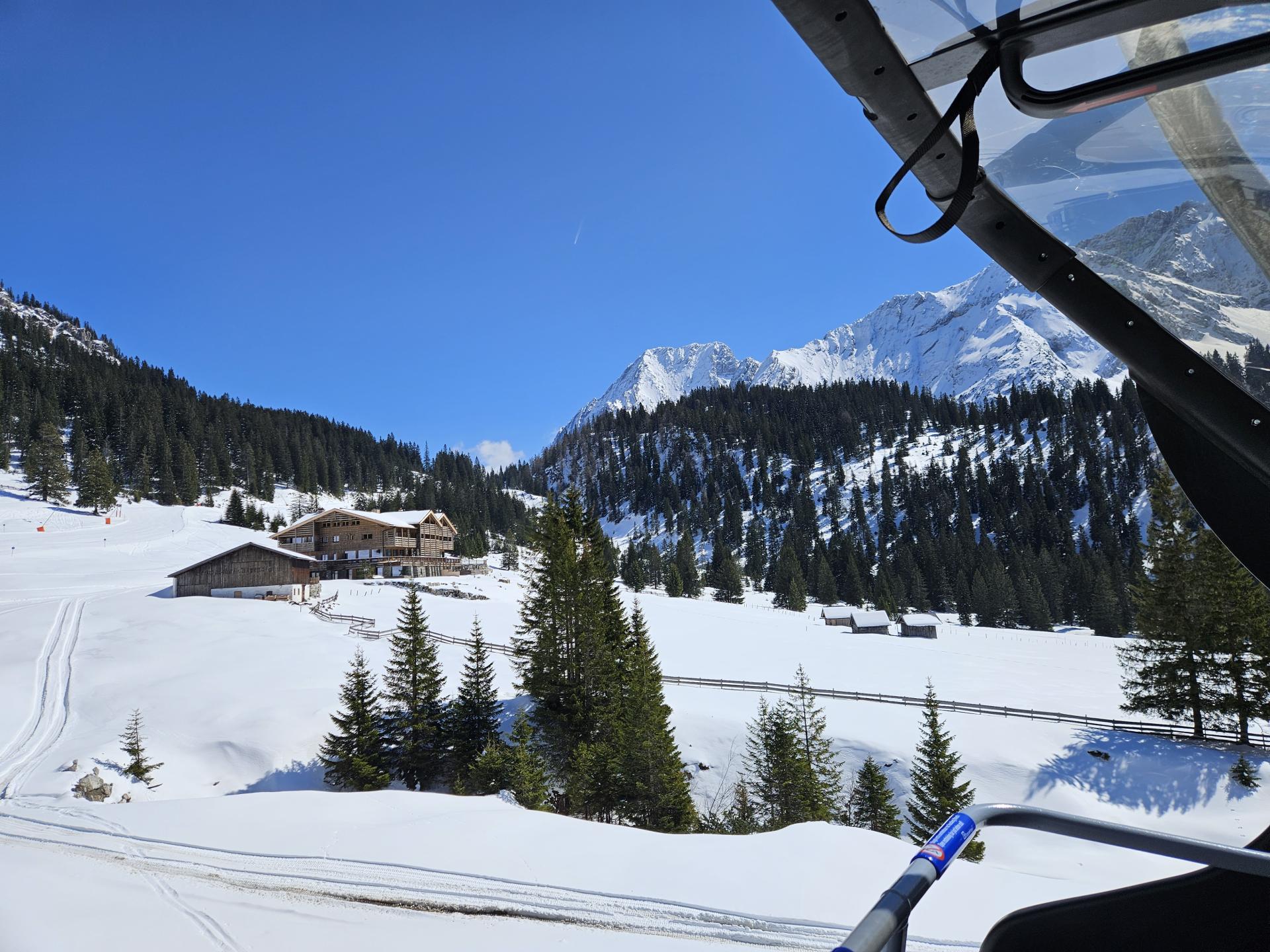
Extensive trail network of the Zugspitz Arena – from Ehrwald through Lermoos to Heiterwang.
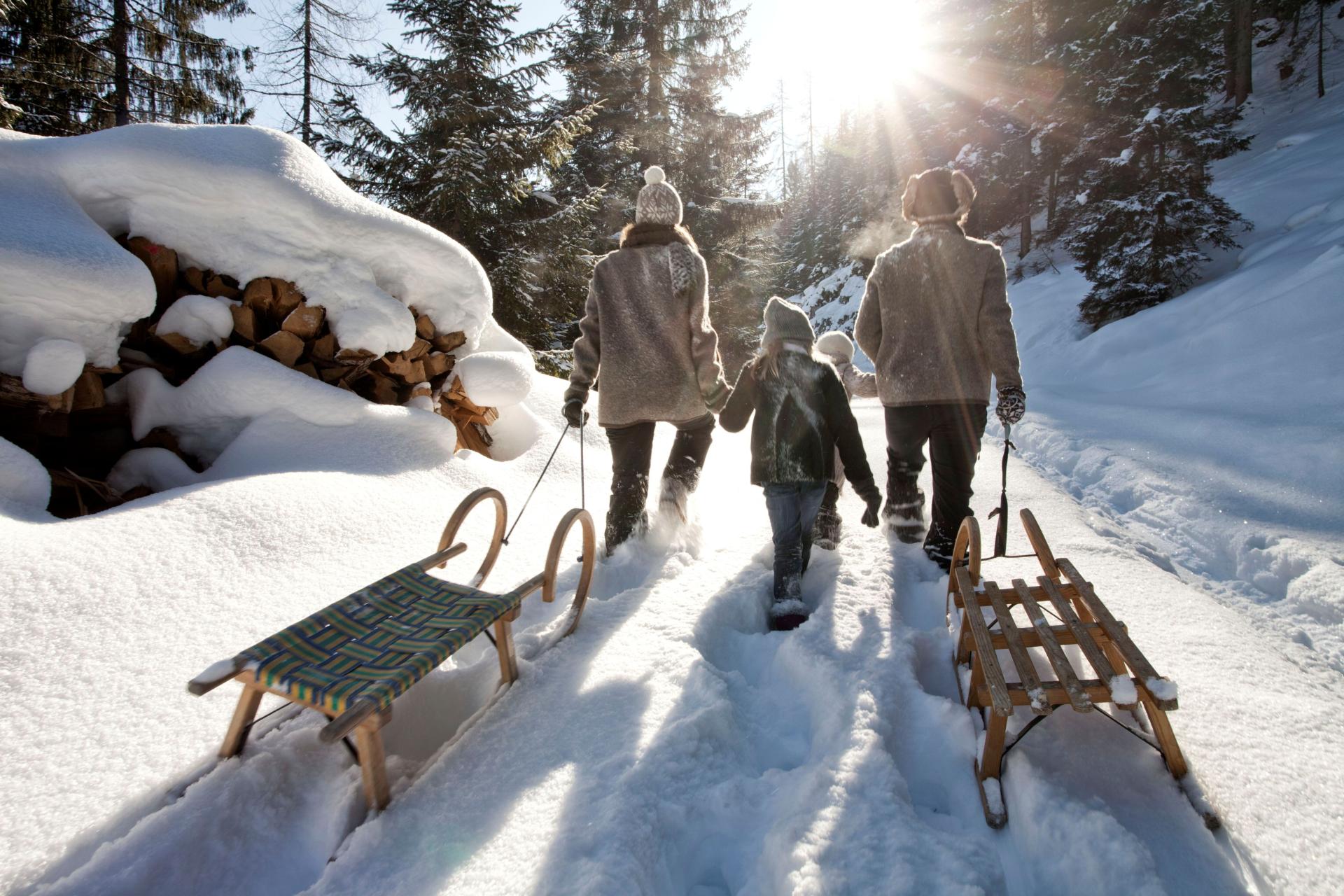
Toboggan evenings on the Ehrwalder Alm provide fun for young and old.
Cleared winter hiking trails through the snowy marsh landscape invite relaxation.
Ice rink for public skating and curling right in the town.
At the foot of the Grubigstein lifts, numerous venues invite you to celebrate and enjoy.
6631 Lermoos
Kirchplatz 7
6631 Lermoos
Juch 2
6631 Lermoos
Unterdorf 12
6631 Lermoos
Silbergasse 1
6631 Lermoos
Kirchplatz 6
6631 Lermoos
Innsbrucker Str. 40
6631 Lermoos
Unterdorf 20
6631 Lermoos
Reuttener Str. 4
6631 Lermoos